The procedure for selling property in Dubai has six steps: appoint an agent with Form A, prepare the documents, get the home ready, agree the sale with Form F, obtain the developer's No Objection Certificate, and transfer the title deed at a Dubai Land Department trustee office. Once you have a buyer, a sale usually takes about four to eight weeks.
Appointing the right property consultant is a very important first step. Everything else becomes very easy because a good property consultant will do everything else for you. From pricing to photography and video shoots of your property, listing, advertising and finding prospective buyers, they will handle the entire process for you.
The process for formally appointing a property consultant is to sign a Form A. This is Dubai Land Department's (DLD) official contract between a seller and a real estate agent. It contains the details of both parties and the financial arrangement (i.e. the agreed commission amount) between them.Click here to meet our team of property consultants.


To sign the Form A, you will need to provide the property consultant with a copy of your passport, visa page, Emirates ID and title deed (or Oqood, if your property is off-plan).
Apart from that, make sure you have the following set of documents ready, because you will need them at the Dubai Land Department Trustee office when you transfer the property:
In addition to that, if you have done any modifications or renovations to the original property as you had bought it, then you should have documents pertaining to obtaining permits and approvals for the same.
Needless to say, you should make sure the property is in good condition for viewing by prospective buyers, and for any photography or videography that the property consultant will want to do in order to list your property.
Make sure any repairs and maintenance issues are taken care of prior to viewing. The last thing you want is for the buyer to negotiate a lower price due to any unnecessary issues that can easily be avoided.
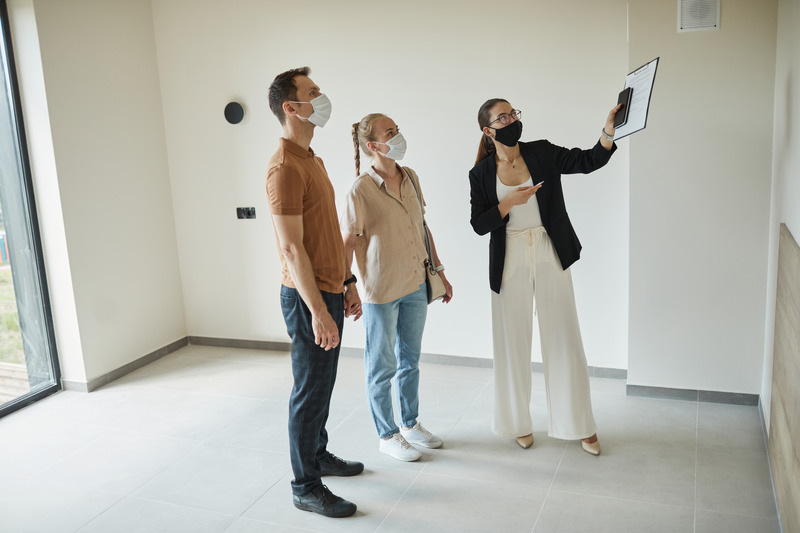

Once you receive an offer you are ready to accept, you will need to sign a Memorandum of Understanding (MOU). This is an official Dubai Land Department (DLD) document known as Form F.
At this stage, both parties (you and the buyer) need to provide a security cheque in favour of the other party for an amount which is 10% of the property value. The security cheques from both parties is held by the property consultant; and is not handed over to either party.
You will now need to apply for a No Objection Certificate (NOC) from the property developer. This usually costs between AED 500 to AED 5000. Usually, both parties will go to the developer's office to apply for this document. However, in some cases, this can also be done online.
An important point to note is that if your property is mortgaged, you will need to get a liability letter from the lending bank. This document is usually valid for a period of 15 days. You can only get an NOC after you have obtained the liability letter.
The buyer must first settle this mortgage. It will be done at the DLD Trustee office, where the Trustee office will hold the buyer's payments and issue a "Restrain Property" certificate. You will receive a clearance letter from your lending bank.
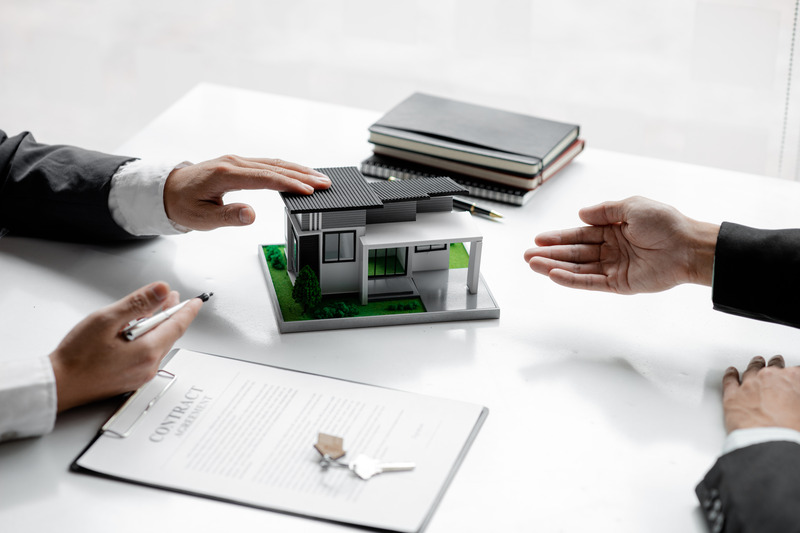

Last but not least, both parties will meet at the Dubai Land Department (DLD) Trustee office accompanied by the property consultant (and also the mortgage broker of the lending bank if the buyer is using a mortgage to buy the property). You will need to take all your original documents with you, which you should already have ready since you have addressed this earlier on in the process.
If you had a mortgage on your property, then you should also take your clearance letter with you.
If both you and the buyer have mortgages, then the buyer's lending bank will settle your mortgage with your lending bank. A cash buyer will settle your mortgage directly with your lending bank.
Have these ready before you sign Form A, so that nothing holds up the transfer later. Our full checklist is in the documents you need to sell a property in Dubai.
| Document | When you need it | Notes |
|---|---|---|
| Passport and Emirates ID | Form A, Form F and transfer | Emirates ID if you are a UAE resident |
| Original title deed (or Oqood) | Form A and transfer | Oqood for a property bought off-plan |
| Form A | When you appoint the agent | The DLD contract between you and the agent |
| Form F (MOU) | When you accept an offer | Sets the price, deposit and who pays which fee |
| Developer No Objection Certificate | Before transfer | Issued once service charges are paid up |
| Bank liability letter, then clearance letter | Before and at transfer | Only if the property is mortgaged |
| Permits for any alterations | Before transfer | If you changed the property after buying it |
| Item | Typical cost or time | Who usually pays |
|---|---|---|
| Agency commission | 2% of the price plus VAT | Seller |
| Developer NOC | AED 500 to AED 5,000, about 3 to 10 days | Seller, usually |
| DLD transfer fee | 4% of the price | Buyer, unless Form F says otherwise |
| Whole sale, once you have a buyer | About 4 to 8 weeks | Add 2 to 3 weeks with a mortgage |
The full fee list is in our guide to Dubai Land Department fees, and every step is explained in selling your property in Dubai, step by step. Selling with a tenant in place has its own rules: see selling a tenanted property.
Sign Form A with an agent, prepare your documents, market the property, sign Form F (the sale agreement) with the buyer, obtain the developer's No Objection Certificate, then transfer ownership at a Dubai Land Department trustee office, where the new title deed is issued to the buyer.
Your passport, Emirates ID if you are a resident, the original title deed (or Oqood for off-plan), the signed Form A and Form F, the developer's No Objection Certificate and, if the property is mortgaged, the bank's liability letter and later its clearance letter.
Once you have a buyer, usually about four to eight weeks. A mortgage on either side adds two to three weeks, and the developer's NOC takes about 3 to 10 days once service charges are paid up.
Mainly the agency commission, usually 2 percent plus VAT, and the developer's NOC fee, typically AED 500 to AED 5,000. The Dubai Land Department transfer fee is normally paid by the buyer, but the split is whatever Form F says.
Yes. You get a liability letter from your bank, the outstanding loan is settled at transfer, usually by the buyer or the buyer's bank, and the bank then issues a clearance letter so the title deed can pass to the buyer.
Our expert consultants are here to help you through the entire selling process.
Contact Us TodayJoin our newsletter. No spam, unsubscribe anytime.
Contact
+971 50 523 2712info@trpe.aeQuick links to the most-searched combinations across Dubai.
TRPE Real Estate is a company registered in Dubai, United Arab Emirates. Trade License No. 999314 · RERA ORN 28357 · Office 1201, Ascott Park Place, Sheikh Zayed Road, Dubai. Regulated by the Real Estate Regulatory Agency (RERA).
