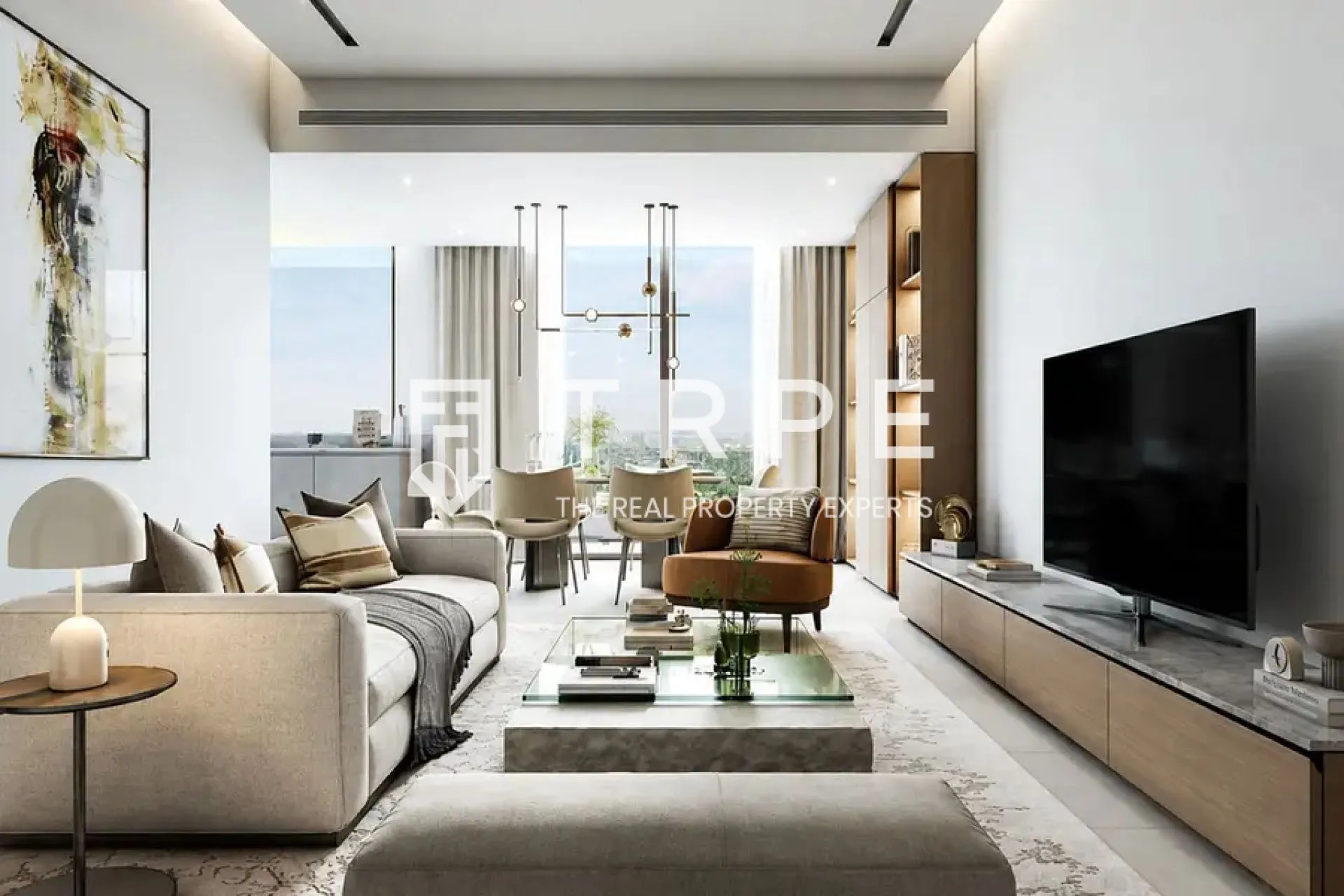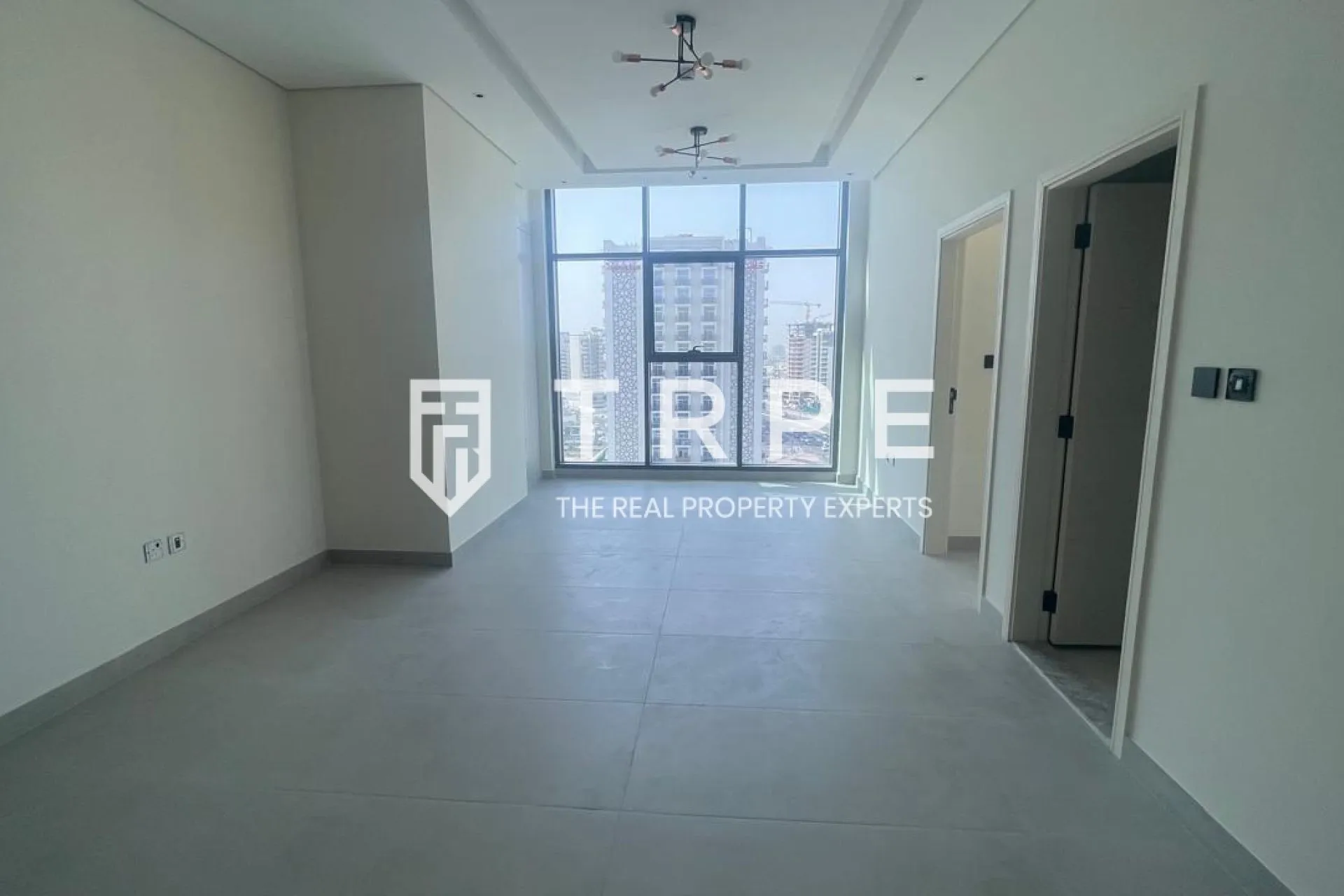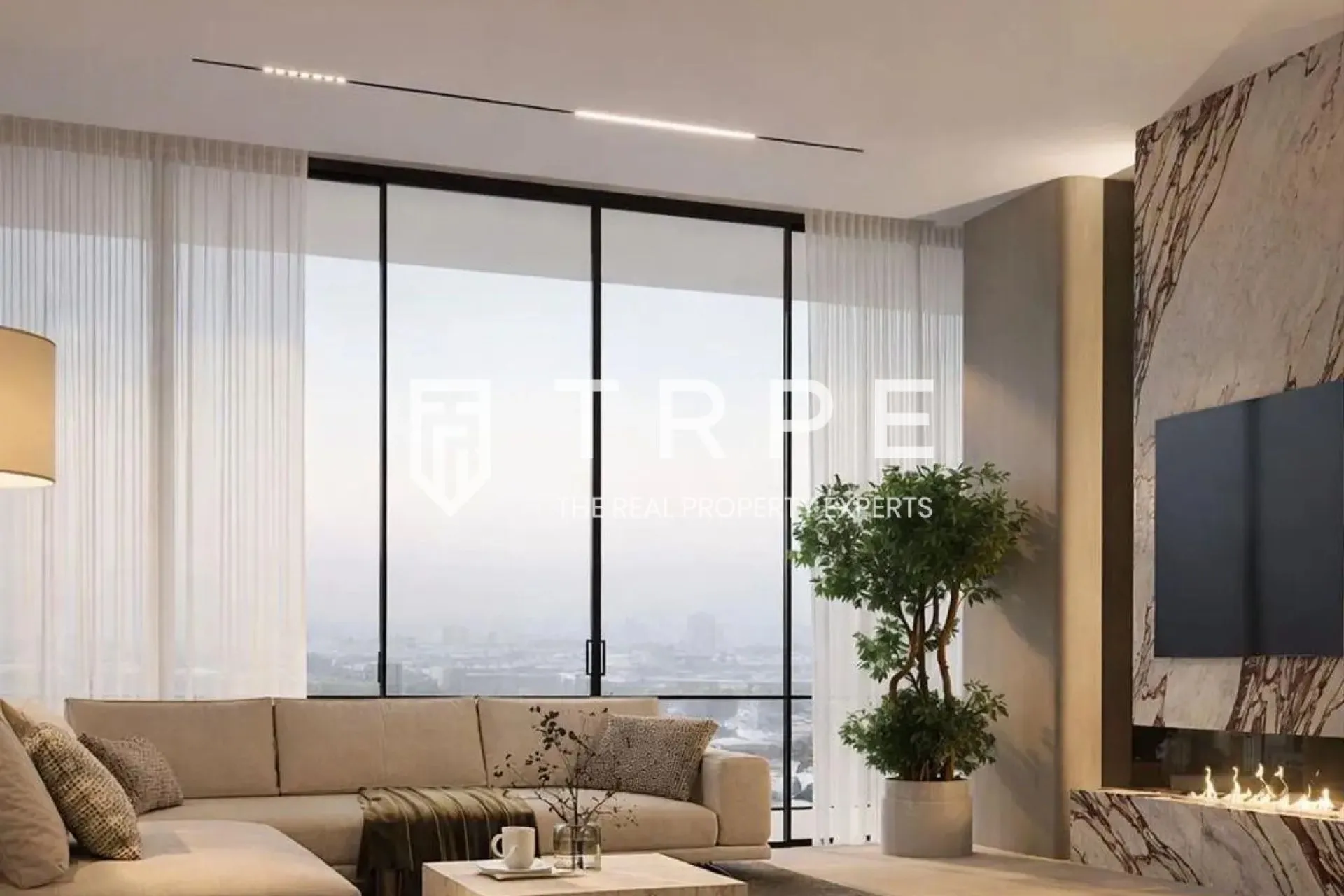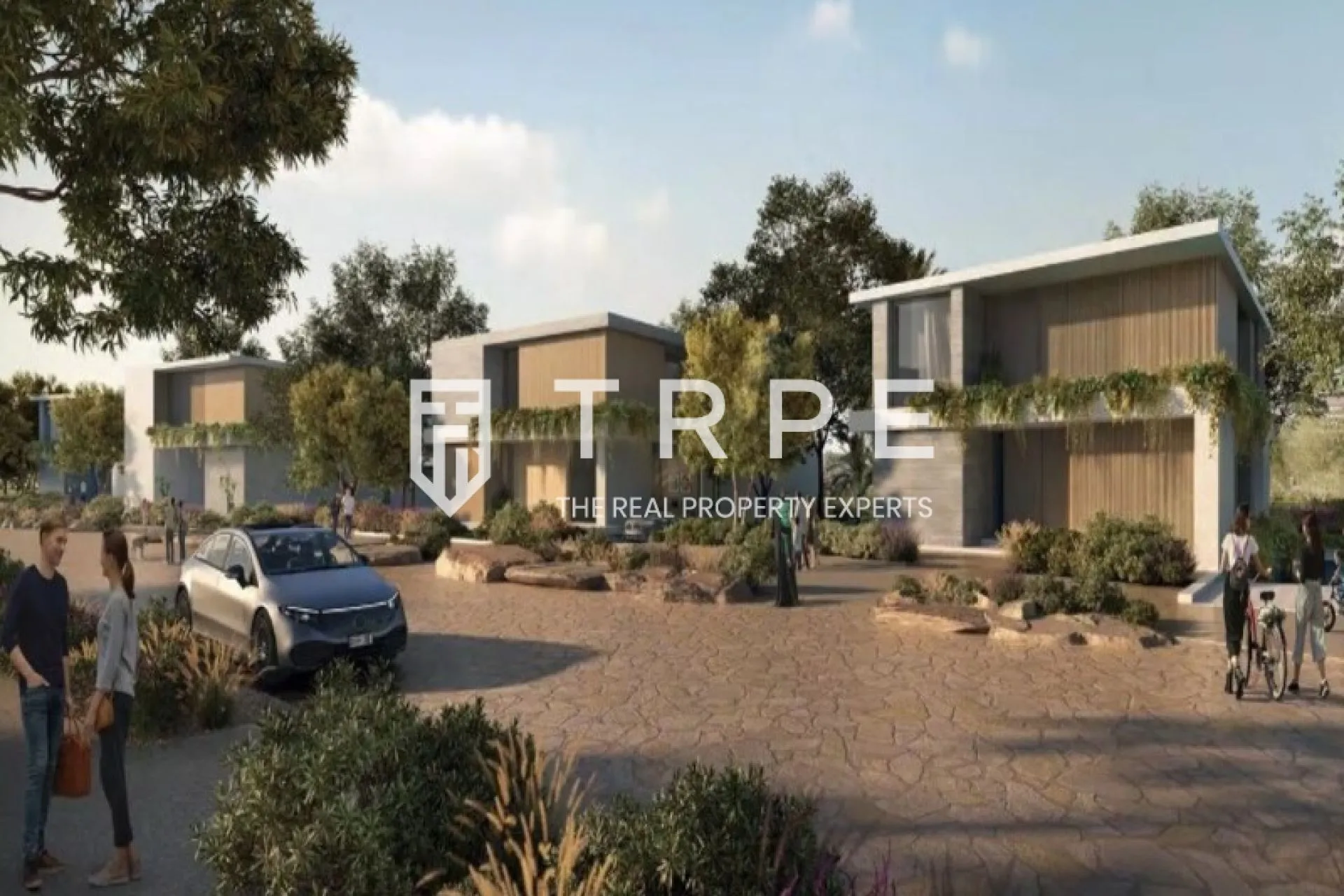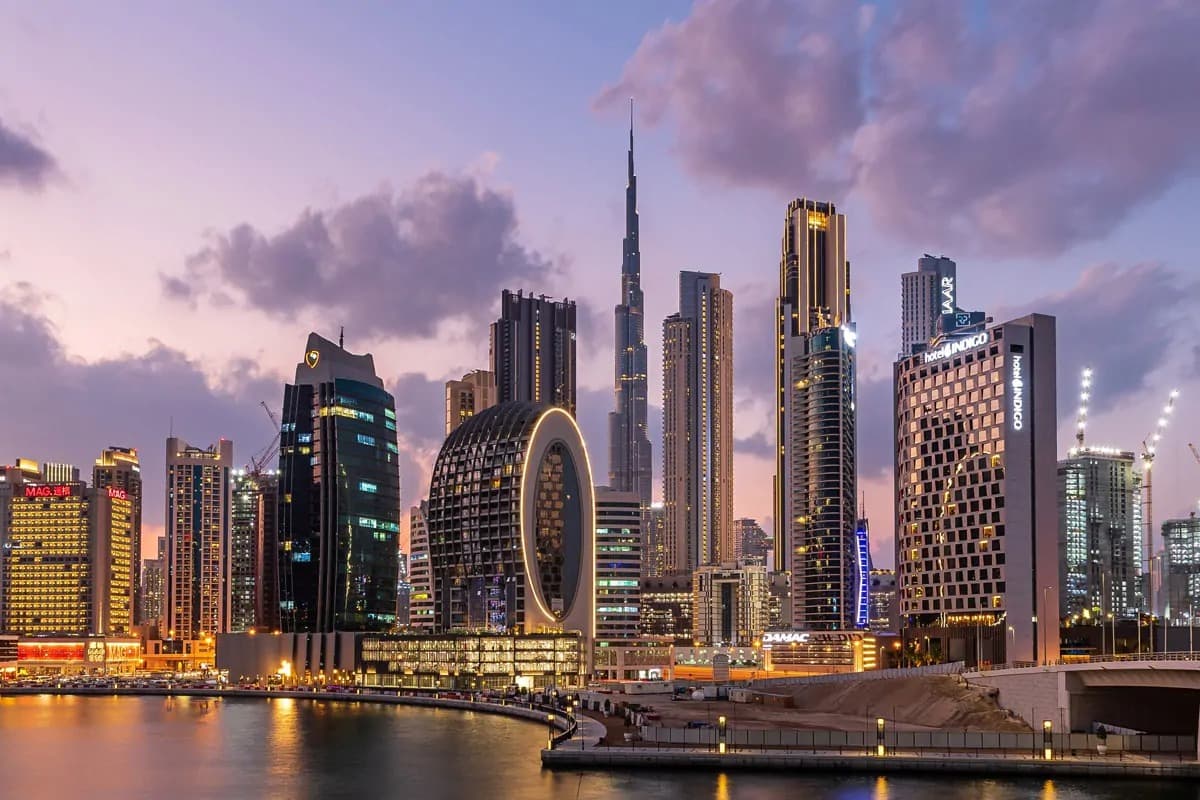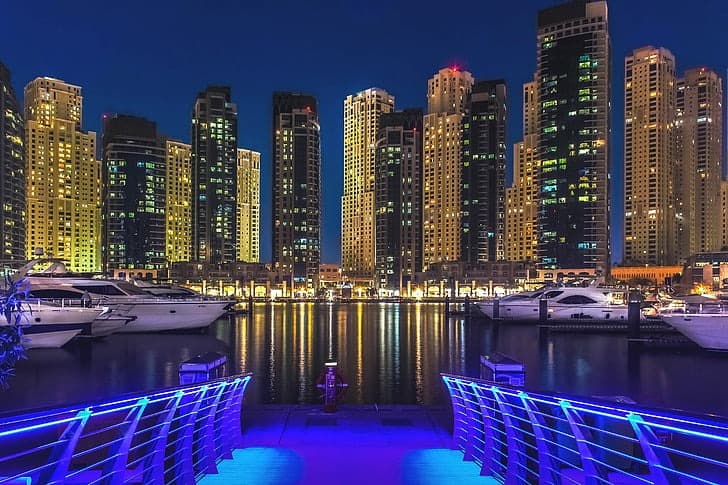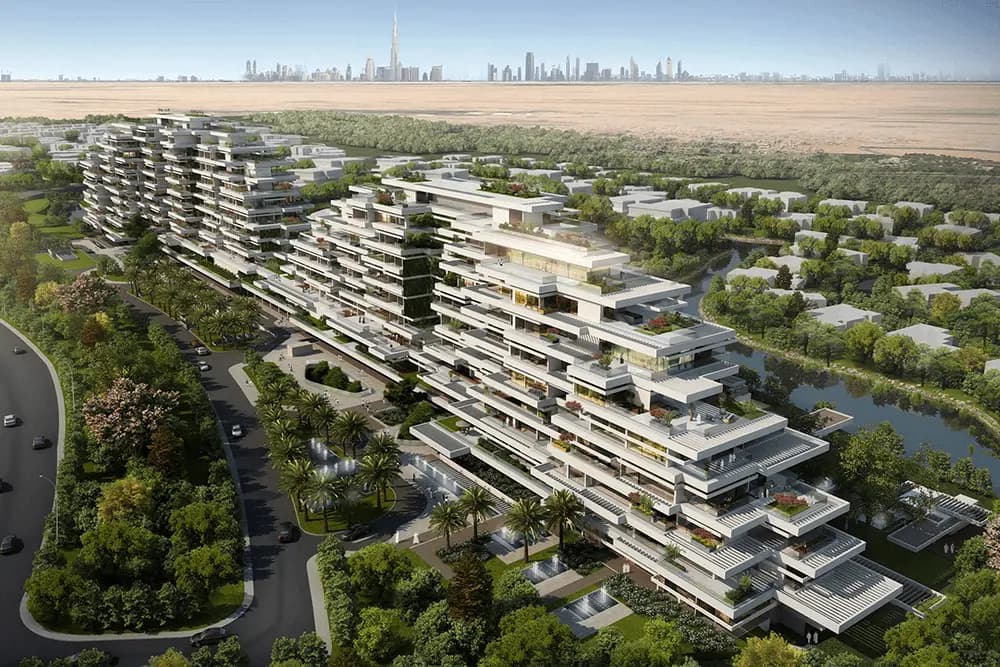
Green living in Dubai means homes built around energy efficient design, extensive planting and shared green space, not just a marketing label. This guide covers the developments that genuinely deliver on that, from a zero-waste pilot community to golf estates built under the city's green building rules, and what each one offers residents.
The sustainable living approach in Dubai touches most areas of daily life: reducing carbon footprints, improving energy efficiency, and using more renewable resources. The city's strategy aims to establish green communities that offer residents a lifestyle in line with the UAE's wider sustainability objectives, built with social, environmental and financial goals in mind together.
A green community in Dubai uses ecological approaches in its daily operation, design and construction. These areas are typically dominated by energy-efficient buildings and greenery, with facilities built for environmentally friendly living. A number of Dubai's developers now use water-conserving technology, solar power systems and more sustainable materials, alongside recycling, waste reduction and transport such as bike paths and electric car charging points.
Dubai's green communities sit inside a wider national push. The UAE has a Net Zero by 2050 strategic initiative, the first such national commitment announced by a country in the Middle East, and Dubai Municipality's Al Sa'fat green building rating system, in place since 2016, sets mandatory minimum energy and water efficiency standards for new buildings across the city, with Silver, Golden and Platinum tiers for projects that go further. Older buildings and newer ones built under these rules can differ significantly in what they actually deliver, so it is worth asking a developer or agent what rating, if any, a specific building holds.
One of the most ambitious sustainability projects in the emirate. This zero-net-energy community aims to consume only the energy it produces, using water recycling systems and urban farms within residential buildings to supply fresh food for residents, alongside its reliance on solar power. The community also limits cars in favour of electric buggies and bike lanes. Its gyms, pools and schools add to the same aim, and it has become a reference point for other green communities in Dubai and elsewhere.
Another example of sustainable development in Dubai is Dubai Hills Estate. This green neighbourhood offers a wide range of homes around green parks, nature paths and a championship golf course, among other amenities. Residential buildings are designed to be energy efficient and water conscious, and organic food markets, exercise facilities and outdoor leisure spaces support an active lifestyle alongside this.
Al Barari is an environmentally focused community that reserves more than 60% of its master plan for green space, offering a living experience that is unusual for Dubai. The community features themed gardens, lakes and water features, and its properties use eco-friendly building materials with energy-saving technology, alongside organic food markets and farm-to-table restaurants. Al Barari shows how a luxury development can be built around sustainability rather than around it.
Another example of sustainable housing in Dubai is Arabian Ranches, which combines a comfortable, established feel with a genuine sense of sustainability. The community has energy-efficient homes and ample open green space, alongside sustainable building materials, water-saving fixtures and solar-powered street lighting. Parks, leisure facilities and exercise space support an active lifestyle for residents, and Arabian Ranches is one of the more significant contributors to Dubai's sustainable housing stock as a result.
Jumeirah Golf Estates is a luxury residential estate built around two golf courses that follow environmentally conscious maintenance standards. As with other newer communities, its residential buildings are designed with energy saving in mind, and residents also have access to organic food shops, fitness centres and outdoor sports facilities.
Nakheel is one of Dubai's largest master developers, responsible for communities including Palm Jumeirah, Discovery Gardens and The Gardens. As with other developers building in Dubai, its newer projects fall under the Al Sa'fat requirements described above, which set a mandatory minimum for energy and water efficiency. Specification varies by project and by the year it was built, so if an eco-feature matters to you, ask for the building's Al Sa'fat rating or completion date rather than assuming it from the development's marketing.
Yes. Al Barari and The Sustainable City were designed from the outset around this idea, and government rules now apply baseline green standards to new buildings across the city regardless of how they are marketed, which pushes the wider luxury segment in the same direction. Buyers increasingly ask about a building's sustainability credentials alongside its finish and location, especially in newer communities such as Dubai Hills Estate.
These communities are not interchangeable, and the right one depends on what you actually want from green living. The Sustainable City is the closest to a genuine eco-pilot, built around zero-net-energy and water recycling rather than around greenery as a backdrop, which suits residents who want the sustainability itself to be the main point. Dubai Hills Estate and Arabian Ranches are better suited to families who want energy-efficient homes and green parks alongside mainstream schools, retail and a golf course, rather than a specifically eco-first lifestyle. Al Barari and Jumeirah Golf Estates sit at the luxury end, where sustainable design is paired with a higher specification finish and a higher price point than the other communities on this list.
Living in a green community in Dubai appeals for reasons that go beyond the environment alone. Better air quality, less noise and more green space support physical and mental wellbeing, and residents in more efficient homes typically spend less on utilities as a result of the lower energy and water consumption.
Dubai's green estate development also puts weight on community life. Common areas, parks and leisure facilities in eco-friendly communities support social interaction, and the presence of organic food shops and environmentally friendly transport options adds to residents' day to day quality of life.
Dubai continues to move toward greener, more eco-friendly development, with new districts and projects increasingly designed around these principles from the outset rather than added afterwards. As environmental questions take on more weight for buyers, demand for sustainable homes and eco-friendly living options is likely to keep rising.
Smart technology, renewable energy and sustainable urban design are all likely to feature more in Dubai's real estate market over the next few years. Each of these should improve residents' quality of life while reducing the environmental footprint of city living, and Dubai's green communities look set to continue to suit both environmentally conscious homeowners and investors who value long-term, resilient demand.
Handpicked for you
Join our newsletter. No spam, unsubscribe anytime.
Contact
+971 50 523 2712info@trpe.aeQuick links to the most-searched combinations across Dubai.
TRPE Real Estate is a company registered in Dubai, United Arab Emirates. Trade License No. 999314 · RERA ORN 28357 · Office 1201, Ascott Park Place, Sheikh Zayed Road, Dubai. Regulated by the Real Estate Regulatory Agency (RERA).