Renting a house in Dubai means signing a one year tenancy contract, usually paid by post-dated cheque, and registering it with Ejari through the Dubai Land Department. You need a passport, a UAE residence visa and an Emirates ID, a security deposit and, if you use an agent, a commission. This guide covers the process, the documents, the costs, your rights as a tenant, and how to rent out your own property.
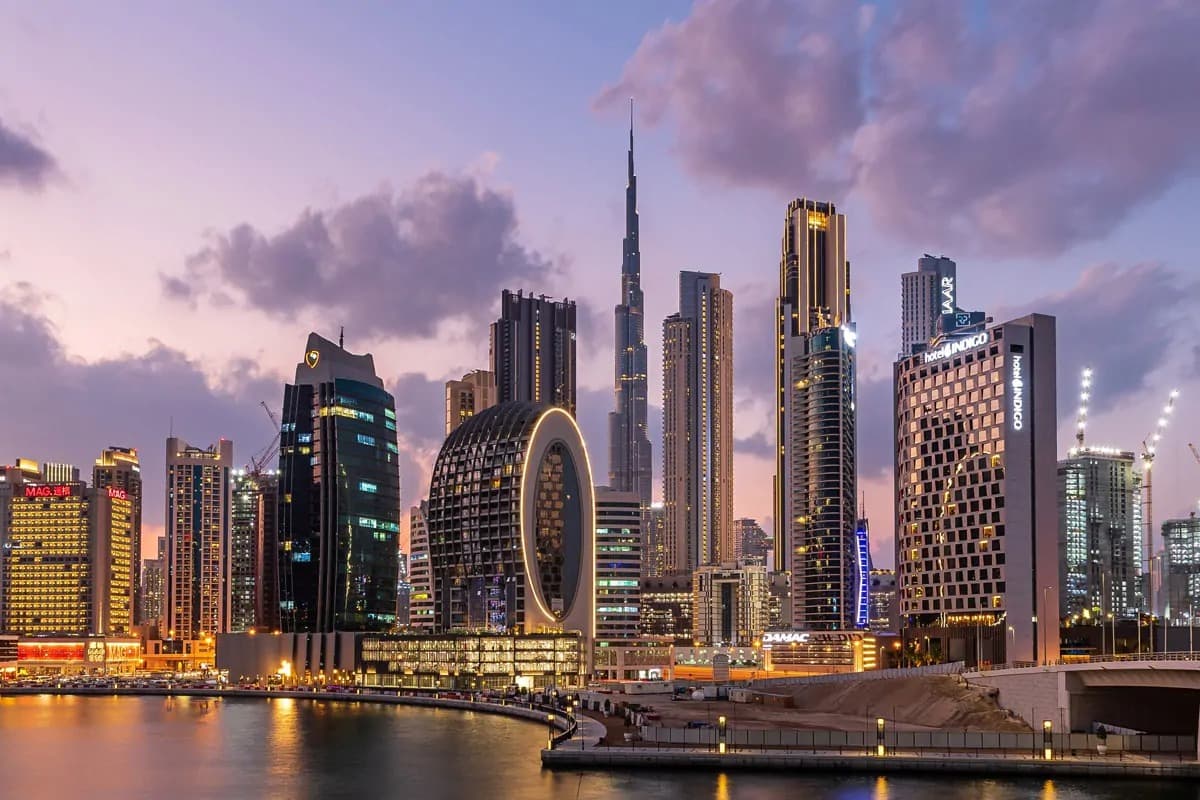
Dubai offers a wide range of homes to rent, from furnished studios in towers to large villas with private gardens. Luxury districts such as Downtown Dubai and Palm Jumeirah command the highest rents, while communities such as Jumeirah Village Circle and Sports City remain popular with tenants on a tighter budget. Rents move with the market, so use live listings rather than old averages.
If you want a house rather than an apartment, you are choosing between villas and townhouses. Here is what we have to rent as of October 2026:
| Type | Listed with us (Oct 2026) | Rent per year from | Where |
|---|---|---|---|
| Townhouses for rent | 24 | AED 120,000 | Including Jebel Ali Village, Mohammed Bin Rashid City and DAMAC Lagoons |
| Villas for rent | 10 | AED 200,000 | Including Jebel Ali Village, Arabian Ranches 3 and DAMAC Lagoons |
Stock changes weekly. See all properties for rent, or read our guide to the best areas to rent a house in Dubai.
A master planned community between Downtown and Dubai Marina, built around a golf course and large parks, with a mall and cafes. It suits families and professionals who want green space close to the city. See homes for rent in Dubai Hills Estate, and townhouses for rent in Dubai.
A waterfront district overlooking the creek and a marina, with promenades and retail, close to Downtown and Business Bay. Mostly apartments, with some townhouses. See homes for rent in Dubai Creek Harbour.
Best known for the racecourse and Meydan One, with apartments and townhouses. It is generally cheaper than Dubai Marina or Downtown, and connects to DIFC, Business Bay and Downtown by road. For more on the rental market, read our rental market analysis for Downtown Dubai.
A large mixed use district of towers, parks and water features with many sub communities, close to Downtown. It covers both high end apartments and large villas. For villas, see villas for rent in Dubai.
One of Dubai's more established districts, with villas, townhouses and low rise apartment blocks, near the Dubai World Trade Centre and Zabeel Park. It is popular with professionals who want a quieter base near the centre.
A newer lagoon themed community of townhouses and villas. We have both townhouses and villas for rent here at the moment, so see homes for rent in DAMAC Lagoons.
If you are a first time renter or your visa is still being processed, a salary certificate or a visa in process letter from your employer may be accepted for the negotiation. Landlords may also ask for proof of income or bank statements, so confirm the list with your agent.
For a villa, read what the annual contract commits you to.
| Cost | Typical amount |
|---|---|
| Annual rent | Paid in one to four cheques, as agreed |
| Security deposit | 5% of annual rent unfurnished, 10% furnished |
| Agency fee | About 5% of annual rent |
| Ejari registration | About AED 220 |
| DEWA connection and deposit | Set by DEWA, paid in your name |
| Chiller, if not included | Varies by building, ask before signing |
A house gives you more space, a garden and often a parking space of your own, and it suits families. The trade-offs are a higher annual rent, higher running costs, and more to look after: air conditioning servicing, a garden and, with a pool, regular maintenance. An apartment is cheaper, easier to maintain and often closer to the centre. Decide which costs you would rather carry before you view. For apartments, see apartments for rent in Dubai.
Furnished homes command a higher rent and a 10% deposit rather than 5%. They suit short stays and people arriving without furniture. Unfurnished homes are cheaper per year and usually come with longer, quieter tenancies. If you rent furnished, list what is included and its condition in the contract.
A tenancy normally runs for twelve months. To raise the rent or change terms at renewal, a landlord must give 90 days written notice before the contract ends. Without that notice the tenancy renews on the same terms. If a landlord wants the property back to sell it or live in it, the law requires 12 months notice through a notary or registered post. If you want to leave early, check the early termination clause first, because it usually costs one to two months of rent when the contract includes one.
Timing matters. Rents can ease at quieter times of year, and a tenant who can sign quickly sometimes gets a concession such as a free month or fewer cheques. A longer lease, or fewer cheques, can also be used as a bargaining point. Be flexible on move-in dates and on non essential extras such as full furnishing. Use listing platforms and TRPE, and ask about off-plan options that sometimes come with deferred payment plans. The most useful negotiating tool is a clear budget and a shortlist of homes you have viewed.
Tenancy in Dubai is governed by Law No. 26 of 2007, amended by Law No. 33 of 2008. Tenants have the right to a registered tenancy, to the maintenance the landlord owes, and to rent increases that follow the RERA rental index. Landlords must give 90 days written notice before the end of the contract to raise the rent or change terms. See how Dubai rent increases are calculated and who pays for what in a Dubai rental.
Tenants are responsible for minor repairs, for paying rent on time, and for not altering the property without written consent. Ending a contract early usually has a penalty unless both sides agree. Disputes over eviction, rent increases or deposit refunds go to the Rental Dispute Centre. Read how the RDC works.
If you own a home and want to let it, the process runs the other way. You price the property against similar homes nearby, find a tenant through an agent, agree the cheques, sign the tenancy and register it with Ejari. A letting agent typically charges 5% of the annual rent. You stay responsible for major maintenance and service charges, and you must give proper notice to change the rent or take the property back. Our landlord guide to renting out your property in Dubai sets out the costs and your obligations. If you want us to let it for you, get in touch.
Set a budget, choose a community, view homes with a RERA registered agent, negotiate the rent and cheques, sign the tenancy contract and register it with Ejari. Then pay the deposit and connect DEWA.
A passport copy, a valid UAE visa, an Emirates ID, post-dated cheques, a security deposit of 5% to 10% of the annual rent and an agency fee if you use a broker. A salary certificate or a visa in process letter may be accepted for new arrivals.
It depends on the area and type. As of October 2026, townhouses we list start from AED 120,000 a year and villas from AED 200,000 a year. Add the deposit, agency fee and Ejari.
Yes. Expatriates make up most of Dubai's population and face no nationality restriction on renting. The documents are standard, and the tenancy rules protect you under the RERA regulated process.
You have the right to a registered tenancy under Ejari, to rent increases that follow the RERA index, to prompt major maintenance from the landlord, and to take disputes to the Rental Dispute Centre.
Read the clauses on rent increases, maintenance, extra fees and early termination. Confirm existing damage is documented, that the unit number and floor are correct, and that Ejari registration is included.
Beyond the rent, budget for the DEWA deposit, chiller charges if they are not included, the agency fee and Ejari. Our guide on hidden costs in Dubai property covers the buying side.
Handpicked for you
Join our newsletter. No spam, unsubscribe anytime.
Contact
+971 50 523 2712info@trpe.aeQuick links to the most-searched combinations across Dubai.
TRPE Real Estate is a company registered in Dubai, United Arab Emirates. Trade License No. 999314 · RERA ORN 28357 · Office 1201, Ascott Park Place, Sheikh Zayed Road, Dubai. Regulated by the Real Estate Regulatory Agency (RERA).