To check a Dubai developer before buying off-plan, confirm the developer is licensed and the project registered with Dubai Land Department, look the project up on DLD's Real Estate Project Status service, make sure every payment goes into the project's escrow account, and visit buildings the developer has already handed over.
Check the developer, not just the building. Your money goes in years before the home exists, and the developer's record is the main thing standing between the two. Below are the official checks first, then the judgement calls.
Under Law No. 8 of 2007, a developer must be recorded in the DLD register and licensed before it can operate (Article 4), and may not advertise or exhibit off-plan units without written authorisation from the Department (Article 5). In practice:
DLD's Real Estate Project Status service shows a project's completion percentage and details. Search by land number, project number or project name on the DLD website or the Dubai REST app, or ask the DLD WhatsApp assistant on 8004488. The result is immediate and DLD lists no fee. Compare the percentage with what the sales team tells you and with the payment schedule: if you are asked for 60 percent of the price on a building that is 20 percent built, ask why.
Law No. 8 of 2007 is the main protection off-plan buyers have:
Verify the escrow account number and bank independently rather than taking them from a brochure, and pay only into that account. If a project is cancelled, read what happens if a Dubai developer cancels a project.
Not what is announced or under construction. Ask which projects have been completed and handed over, then go and look at one. A community delivered three years ago tells you more than any brochure.
Compare the original handover date to the actual one. Some delay is common; delays of several years tell you something about how the company operates. Read the completion clause in your own contract too, and see handover delays and your rights.
Construction-linked payments, where instalments fall due as milestones are reached, protect you far better than a plan tied only to dates. If the building stalls, so do your payments. Our guide to how off-plan payment plans work explains the common structures.
This is the other side of the contract, and buyers rarely read it. Under Article 11 of the interim register law, as replaced by Law No. 9 of 2009, DLD gives a buyer who defaults 30 days notice to pay. After that, what the developer may do depends on how far construction has gone:
| Project completion | What the developer may do |
|---|---|
| 80% or more | Keep all payments and claim the balance, or ask for the unit to be sold at auction |
| 60% to 80% | Terminate and keep up to 40% of the unit's contract value |
| Started, below 60% | Terminate and keep up to 25% of the contract value |
| Not started, for reasons outside the developer's control | Terminate and keep up to 30% of what the buyer has paid |
So read the payment plan as a cash flow and ask whether you could carry it if your circumstances changed. If you may need to exit early, see selling an off-plan property before handover.
Visit a completed building by the same developer and look at the common areas: lift lobbies, corridors, the car park. Snagging lists and resident opinion in older projects tell you what your building will feel like in five years. After handover, Article 40 of Law No. 6 of 2019 makes the developer liable for one year for installations and ten years for the structure.
Large developers offer delivery certainty and resale liquidity, and charge for both. Smaller developers may offer better value and more generous payment plans, with more risk attached. Neither is automatically the right answer; the difference is how much of your judgement rests on the plan working out. The checks above apply to both.
Read our guides to payment plans, the fees payable, and what to check at handover. Browse current off-plan projects.
Ask us what we know about a developer before you pay a deposit. We will tell you if we would not buy it ourselves.
See what each of the main developers builds before you shortlist.
Buying or renting in Dubai?
Ask one of our agents on WhatsApp about off-plan projects, payment plans and handover.
Ask one of our agents on WhatsApp about off-plan projects, payment plans and handover.
Check the developer's licence and the advertising permit through DLD's licence validation service, look the project up on DLD's Real Estate Project Status service, confirm the escrow account independently, and visit buildings the developer has already handed over.
Yes, on registered projects. Law No. 8 of 2007 requires buyer payments to go into a project escrow account that is reserved for building that project and cannot be seized by the developer's creditors. 5 percent is held back after completion for a year. Construction-linked payment schedules add further protection.
Use Dubai Land Department's Real Estate Project Status service on the DLD website, the Dubai REST app or WhatsApp 8004488. Search by land number, project number or project name; the result is immediate.
DLD gives you 30 days notice to pay. After that, under Law No. 9 of 2009, the developer may keep up to 25 percent of the contract value if construction is under 60 percent, up to 40 percent from 60 percent, and all payments plus the balance from 80 percent.
Large developers offer delivery certainty and easier resale, and price accordingly. Smaller developers can offer better value and longer payment plans with more risk attached. The official checks on registration, project status and escrow apply to both.

Buying in Dubai? See your monthly payment and fees.
UAE bank rules and Land Department fees, in seconds.
Handpicked for you
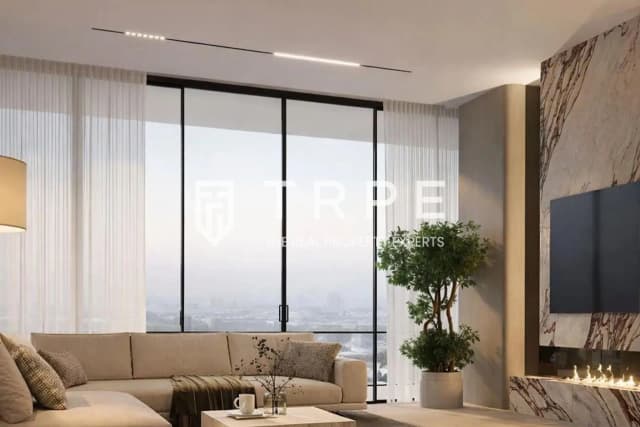
AED 1.6M
Vacant | 710 sq ft | Binghatti Avenue, Al Jaddaf
1 bed · 863 sq.ft

AED 2M
Resale at OP | Lagoons and Dubai Skyline Views | High Floor
1 bed · 788 sq.ft
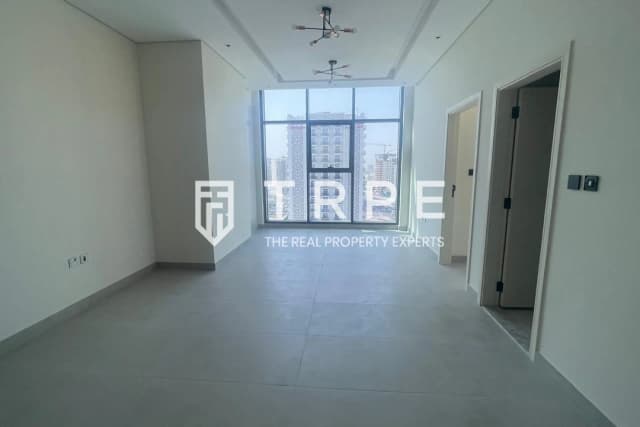
AED 110K/year
Community View | Upgraded | PG One, Al Furjan
1 bed · 830 sq.ft
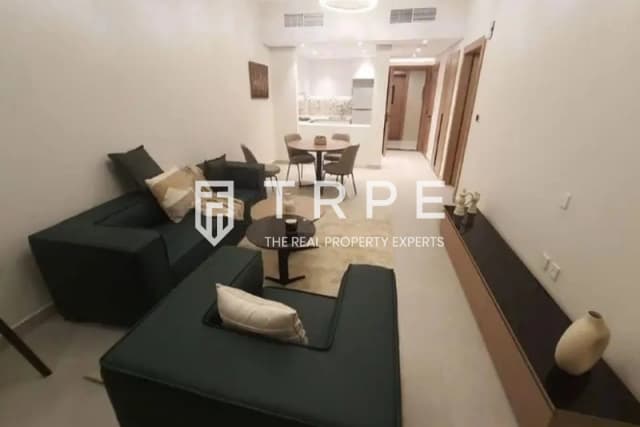
AED 75K/year
Furnished 1BR | Brand New | JVC District 16, JVC
1 bed · 862 sq.ft

Join our newsletter. No spam, unsubscribe anytime.
Contact
+971 50 523 2712info@trpe.aeQuick links to the most-searched combinations across Dubai.
TRPE Real Estate is a company registered in Dubai, United Arab Emirates. Trade License No. 999314 · RERA ORN 28357 · Office 1201, Ascott Park Place, Sheikh Zayed Road, Dubai. Regulated by the Real Estate Regulatory Agency (RERA).