
For a Dubai property handover, snagging means inspecting the unit before you accept the keys and listing every defect for the developer to fix at their cost. Check the walls, floors, doors, windows, air conditioning, plumbing, electrics, kitchen and balcony, room by room, and do not sign the handover acceptance until the list is closed. It is the last point at which the developer is clearly obliged to fix problems, and it is routinely skipped.
An hour or two with a checklist at handover saves months of chasing afterwards. This guide covers how handover works, a full checklist, whether to hire an inspector, and what protection you have afterwards (as of October 2026).
A snag is any defect or unfinished item in a new home: a chipped tile, a door that does not close, a socket that does not work. Snagging is the process of finding and recording them. The list you produce is called a snag list, and the developer's contractor works through it before you take possession.
The exact steps depend on the developer and your sale agreement, so read yours first. A typical sequence looks like this.
| Stage | What happens | What you do |
|---|---|---|
| 1. Completion notice | The developer tells you the unit is ready | Check the notice against your sale agreement dates |
| 2. Final payment | The balance and any handover charges are settled | Ask for a written breakdown of every charge |
| 3. Snagging inspection | You or an inspector list every defect | Inspect before you sign anything |
| 4. Developer rectifies | Defects are fixed | Ask for a written timeframe |
| 5. Re-inspection | You confirm each item is fixed | Tick off the list, photograph the results |
| 6. Acceptance and keys | You sign the handover documents and take the keys | Note meter readings and take dated photos |
| 7. Defects period | Further problems are reported in writing | Keep every email and reference number |
If your handover is late, see off-plan handover delays and your rights.
On most purchases, yes. A professional brings tools you do not own, such as a moisture meter, a thermal camera and a spirit level, and knows what to look for behind finishes. Inspectors produce a photographed report that developers tend to take seriously. Prices depend on the size of the home, so ask two or three companies for a quote against the value of the property. Our guide on how to choose a snagging company sets out what to ask.
| Doing it yourself | Hiring an inspector | |
|---|---|---|
| Cost | Free | Priced by home size |
| Hidden issues such as damp or insulation gaps | Usually missed | Tools to detect them |
| Report the developer will act on | Depends on your detail | Photographed and structured |
| Best for | Small units, a second pair of eyes | Villas and higher-value homes |
Snags are small, quick to fix and mostly cosmetic: paint marks, a loose handle, missing silicone. Major defects affect safety, use or the structure: water leaking through a ceiling, cracks that run through walls, air conditioning that does not cool, electrical faults, a balcony rail that moves. Mark major defects clearly on your list. If a defect is serious, do not accept the unit until it is fixed and re-inspected, and take advice on your rights under the sale agreement.
A resale home is not covered by the same handover process, and a developer's warranty may have run out. An inspection before you buy is still worthwhile, and you can negotiate the price or ask the seller to fix issues before transfer. For new-build units, the defects periods in the section above run from the completion certificate, not from the day you bought.
Dubai developers are liable for defects after handover, but the period depends on the type of defect and on your contract. Based on published legal summaries, as of October 2026:
Check your sale agreement for its own defects liability period, and take legal advice before relying on any of the periods above for a specific claim. A claim may be time-limited from the date you discover the defect, so report problems in writing as soon as you find them.
Read our guides to payment plans and the fees payable at transfer, and browse current off-plan projects. Once you move in, a landlord with a spare unit can use our property management service.
Ask us if you would like a recommendation for a snagging inspector.
Buying or renting in Dubai?
Ask one of our agents on WhatsApp about off-plan projects, payment plans and handover.
Ask one of our agents on WhatsApp about off-plan projects, payment plans and handover.
Check doors, windows, air conditioning at every vent, taps, showers and drainage, every socket and switch, walls, floors and tiles, kitchen fittings, and the balcony railing and drainage. Photograph every defect and list it in writing before you sign the handover acceptance.
Snagging is the inspection you carry out before accepting the keys to a newly built property, listing every defect for the developer to fix at their cost.
On a higher-value home, usually yes. Inspectors use tools such as moisture meters and thermal cameras, find issues owners miss, and produce a photographed report that developers tend to act on.
Published legal summaries say developers are liable for structural defects for ten years from the completion certificate, and for mechanical, electrical, sanitary and sewage installations for one year. Check your sale agreement and take legal advice for a specific claim.
You can ask the developer to fix the defects on your snag list and re-inspect before you accept. Do not sign the acceptance until the items are closed or agreed in writing. Your sale agreement sets out the exact terms.
Allow two to three hours for an apartment and longer for a villa. Go in daylight and do not rush.
Appoint an inspector or an attorney to inspect on your behalf instead of accepting remotely.
Handpicked for you

AED 1.6M
Vacant | 710 sq ft | Binghatti Avenue, Al Jaddaf
1 bed · 863 sq.ft

AED 2M
Resale at OP | Lagoons and Dubai Skyline Views | High Floor
1 bed · 788 sq.ft
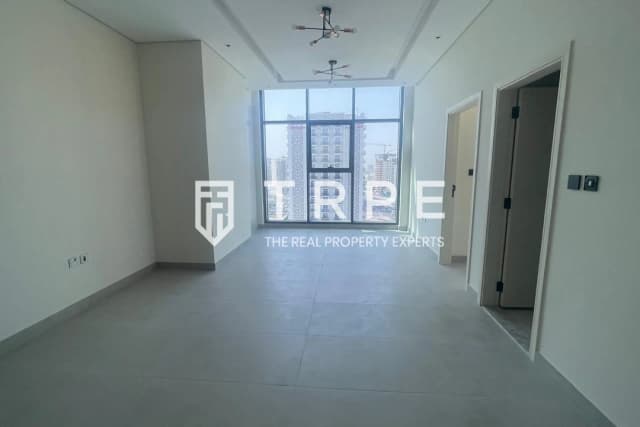
AED 110K/year
Community View | Upgraded | PG One, Al Furjan
1 bed · 830 sq.ft
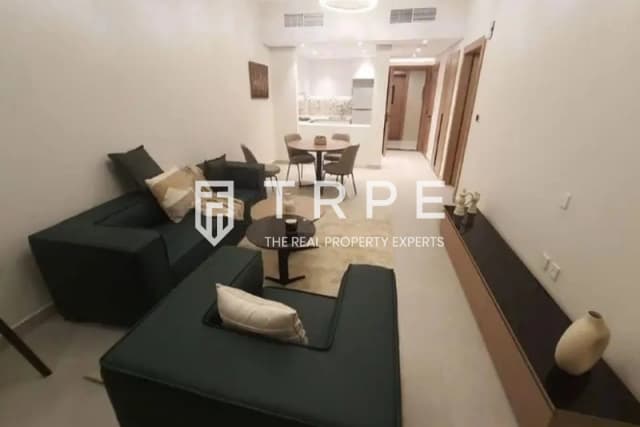
AED 75K/year
Furnished 1BR | Brand New | JVC District 16, JVC
1 bed · 862 sq.ft


Join our newsletter. No spam, unsubscribe anytime.
Contact
+971 50 523 2712info@trpe.aeQuick links to the most-searched combinations across Dubai.
TRPE Real Estate is a company registered in Dubai, United Arab Emirates. Trade License No. 999314 · RERA ORN 28357 · Office 1201, Ascott Park Place, Sheikh Zayed Road, Dubai. Regulated by the Real Estate Regulatory Agency (RERA).