Renting a shop in Dubai means agreeing a commercial tenancy contract, registering it on Ejari, adding 5 percent VAT to the rent and checking the unit suits your trade licence activity before you pay anything. The costs people forget are the VAT, the fit-out and the licence, not the rent itself. This guide covers a shop or an office for rent in Dubai, with the official fees and rules as of October 2026.
Rent depends on the building, the frontage and the footfall, so there is no single average worth quoting. What you can fix in advance is the list of costs around the rent. Use this table to build a true annual figure for any unit.
| Cost | What to know | Source or status |
|---|---|---|
| Annual rent | Agreed with the landlord and written into the contract | Negotiated |
| VAT on rent | Commercial property leases are standard rated at 5 percent, so a AED 200,000 rent becomes AED 210,000 once VAT is added. Check whether the contract states the rent as inclusive or exclusive of VAT | Federal Tax Authority real estate guide |
| Ejari registration | AED 177.75 online through Dubai REST or the DLD website, or AED 220 at a registration trustee centre | Dubai Land Department, October 2026 |
| Security deposit | The law allows a landlord to take a deposit against the condition of the premises. It must be refunded, or the balance refunded, when the tenancy ends | Law No. 26 of 2007, Article 20 |
| Agent commission | Set by agreement. The DLD says that where the agreement is silent, prevailing custom applies, so agree it before you view | Dubai Land Department FAQ |
| Trade licence and approvals | Issued by the licensing authority for your activity, separately from the lease | Authority fees apply |
| Fit-out and signage | Often the largest first year cost for a shop. Ask what the landlord allows and approves | Quote from contractors |
| Service charges and utilities | Confirm who pays, and whether chilled water or cooling is billed separately | Ask the landlord in writing |
As an illustration only, a shop at AED 200,000 a year with VAT charged on top costs AED 210,000 for the rent line, before the deposit, the licence and the fit-out. That arithmetic is why two shops with the same headline rent can have different real costs.
Dubai's tenancy law, Law No. 26 of 2007 as amended by Law No. 33 of 2008, applies to commercial as well as residential premises. The Dubai Land Department also notes that a tenancy contract can run for a maximum of 10 years. Whatever term you choose, make sure the contract states:
Read the contract before you sign, not after. For the general background, our guide to Ejari and tenancy contracts explains how the registered contract works.
Ejari is the Dubai Land Department's registry of tenancy contracts. A registered contract is the document that supports your position if there is a dispute, and a trade licence application often asks for it.
If a property management company runs the building, it may register the contract for you. The DLD page for tenancy registration sets out the exact documents and who can apply: see the DLD Ejari registration service.
Usually you need both, and the order matters. The licensing authority will want to know the premises, and the landlord will want to know the activity. For a mainland licence, the Department of Economy and Tourism commonly asks for a registered tenancy contract, so confirm the current requirement with the authority before you commit. Free zone companies follow the free zone's own rules.
The practical advice is to ask the authority whether your activity is permitted in that particular building before you pay a deposit. Some units are classified for particular uses, and a signed lease will not change that. Put the permitted use in the contract so that you can leave if the licence is refused.
The DLD describes its Rental Increase Calculator as applying to residential units. For a shop or office, increases are therefore a matter for the contract, so agree the mechanism at the start rather than at renewal. The law does set a notice rule: either party who wants to change the terms or not renew must tell the other at least 90 days before the contract expires, unless the contract says otherwise. Do it in writing and keep proof.
If you are comparing this with a home, see how residential rent increases are calculated, and note that the rules differ.
| Topic | What the tenancy law provides |
|---|---|
| Condition at handover | The landlord must hand over the premises in a condition that allows the use stated in the contract |
| Maintenance and repairs | Unless the contract says otherwise, the landlord is responsible for maintenance and for defects that affect the intended use |
| Alterations by the tenant | The tenant may not change or restore the premises without the landlord's permission and the required licences |
| Subletting | Subletting without the landlord's written approval is a ground for eviction |
| Empty premises | A commercial tenant who leaves the unit empty for no valid reason for 30 consecutive days, or 90 non-consecutive days in a year, can be evicted unless the parties agreed otherwise |
| Non-payment | Eviction for unpaid rent requires a notice to pay, and 30 days must pass after the notice |
The source for this table is the Dubai Land Department tenancy guide, which reproduces the law. Where a point matters to your business, have it checked against the contract and, if needed, by a lawyer.
An office follows the same legal framework as a shop. The decisions are different. A conventional lease gives you the space and leaves fit-out, furniture and services to you. A serviced or business centre arrangement bundles furniture, reception and utilities for one fee, which suits a small team or a trial period. Shared offices suit the smallest teams.
Ask the same questions in every case: what is the permitted use, is VAT charged on top, what does the fee include, and can the contract be registered on Ejari for your licence. Browse the offices for rent and the wider commercial rent listings on our site. As of 12 October 2026 the commercial rent page shows two offices, in DIFC and Business Bay, at asking rents of AED 1,050,000 and AED 400,000 a year, so stock moves and it is worth asking us what is coming up.
Have these ready before you agree terms. The landlord, the agent and the licensing authority will each ask for some of them.
| Step | Who | What happens |
|---|---|---|
| 1. Define the need | You | Size, location, footfall, budget and permitted use |
| 2. Find and view units | You and an agent | Shortlist, view at your trading hours |
| 3. Agree terms | You and the landlord | Rent, VAT treatment, term, deposit, fit-out rights, break clause |
| 4. Check the permitted use | You and the licensing authority | Confirm the activity is allowed in that building |
| 5. Sign the contract | You and the landlord | Unified tenancy contract with the agreed clauses |
| 6. Register Ejari | You, the landlord or the manager | Online or at a trustee centre, AED 177.75 or AED 220 |
| 7. Obtain the licence and approvals | You | Trade licence and any activity approvals |
| 8. Fit out and open | You and contractors | Works with landlord approval, then handover of keys |
Searches such as "shop for rent in JVC" or "retail shop for rent in Dubai" often mean ground floor units in residential communities, rather than mall units. The legal framework is the same as elsewhere. The differences are practical. Ground floor retail in a residential building depends on the people who live there, so check the resident population and the parking, because a shop that customers cannot reach will not trade. Check what the building's owners association allows in terms of opening hours, signage and deliveries, and whether another unit in the building already sells what you plan to sell. Ask about the permitted use in writing, because a unit classed for retail is not necessarily classed for food service.
If you need a larger space for storage or light industry, read our guide to warehouses for rent in Dubai instead.
Rent varies by location and unit, so ask for the total annual cost. Add 5 percent VAT on the rent, the Ejari fee of AED 177.75 online or AED 220 at a trustee centre, the security deposit, the trade licence and the fit-out. Figures as of October 2026.
Yes. The Federal Tax Authority treats commercial property leases as standard rated at 5 percent, while residential rent is generally exempt. State in the contract whether the rent is inclusive or exclusive of VAT.
Yes, you should register the tenancy contract. The registered contract supports you in a dispute and is often requested when applying for or renewing a mainland trade licence. Registration can be done online or at a trustee centre.
The Dubai Land Department states that a tenancy contract can run for a maximum of 10 years. Many commercial leases are for one year or longer, and the term and renewal mechanism should be set out clearly in the contract.
Only with the landlord's written approval. The tenancy law lists subletting without written approval as a ground for eviction, applying to both tenant and sub-tenant. Put your sublet rights in the contract if you may need them.
Unless the contract says otherwise, the landlord is responsible for maintenance and for repairing defects that affect the intended use. Many commercial contracts shift some of this to the tenant, so read the maintenance clause carefully.
The DLD rental increase calculator is described as applying to residential units, so a commercial increase is a matter for the contract. Either party must give at least 90 days written notice before expiry to change the terms or not renew, unless otherwise agreed.
Handpicked for you

AED 2M
Resale at OP | Lagoons and Dubai Skyline Views | High Floor
1 bed · 788 sq.ft
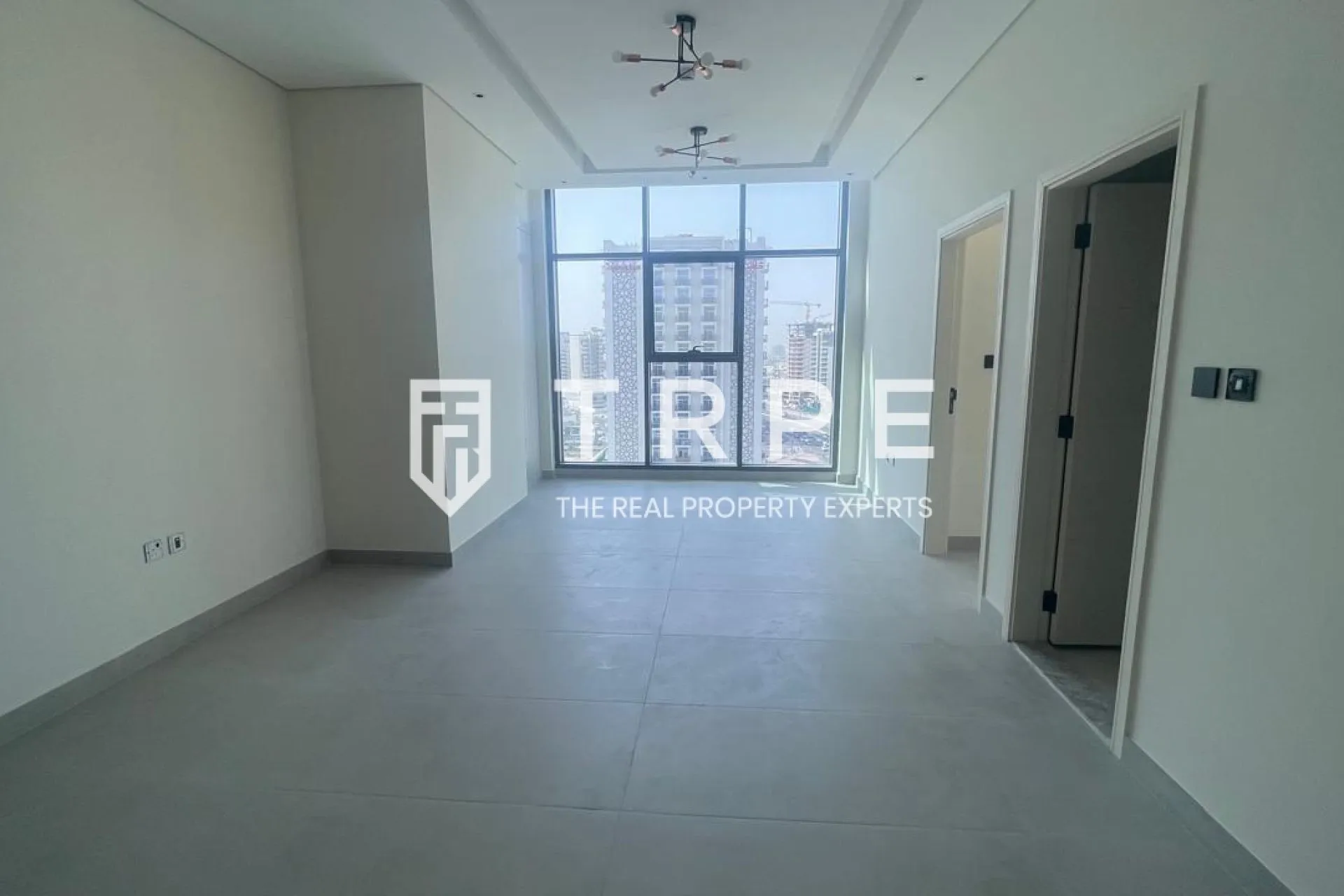
AED 110K/year
Community View | Upgraded | PG One, Al Furjan
1 bed · 830 sq.ft
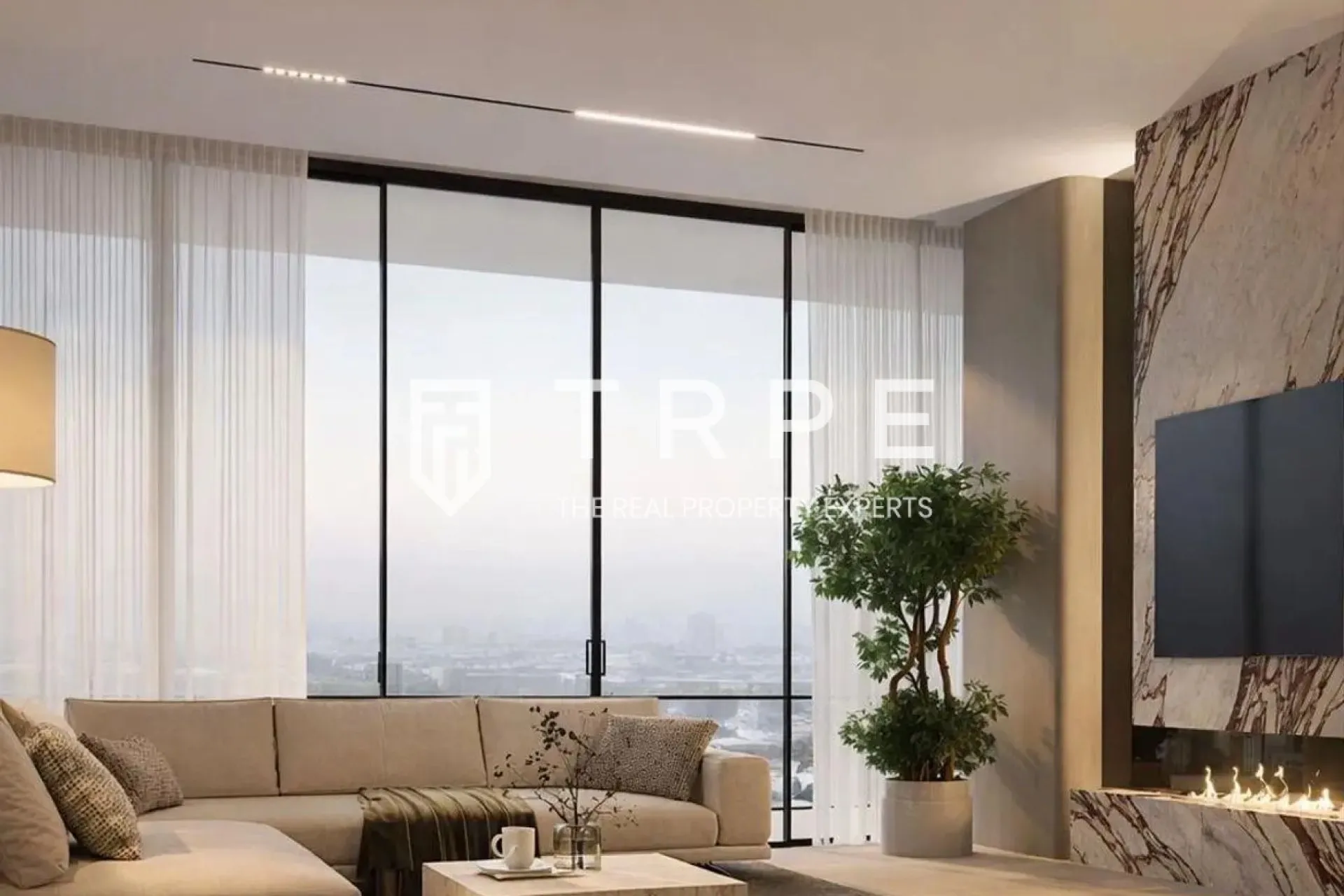
AED 1.6M
Vacant | 710 sq ft | Binghatti Avenue, Al Jaddaf
1 bed · 863 sq.ft
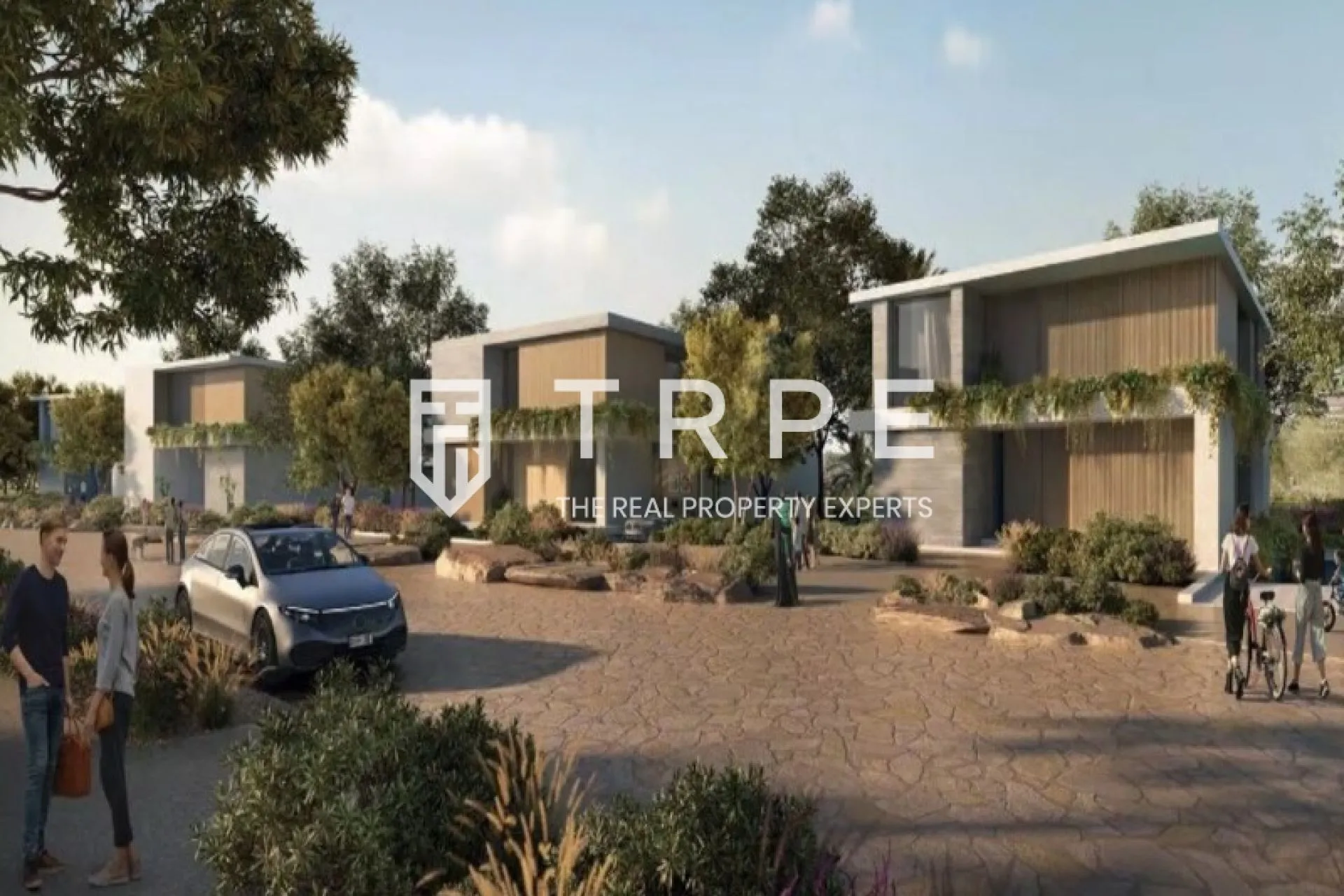
AED 17M
5BR + Maids | 5BR Villa | Expo Valley, Expo City
5 bed · 7,946 sq.ft
Join our newsletter. No spam, unsubscribe anytime.
Contact
+971 50 523 2712info@trpe.aeQuick links to the most-searched combinations across Dubai.
TRPE Real Estate is a company registered in Dubai, United Arab Emirates. Trade License No. 999314 · RERA ORN 28357 · Office 1201, Ascott Park Place, Sheikh Zayed Road, Dubai. Regulated by the Real Estate Regulatory Agency (RERA).