
Service charges differ between villas and apartments because they pay for different things. An apartment owner shares the cost of running a whole building: lifts, lobby, security, cleaning, pools and insurance. A villa owner's charge mainly covers community roads, landscaping and shared facilities, and the owner maintains the house. In both cases RERA must approve the budget.
The same logic explains why two apartments of the same size, in the same community, built within a few years of each other, can carry very different service charges. That is not an error and it is not always unfair. Here is what actually drives it.
Under Law No. 6 of 2019 on jointly owned property, each owner pays a share of the annual service charges that cover the management, operation, maintenance and repair of the common parts. The share is based on the area of your unit, as recorded in the Real Property Register, compared with the total area of the building (Article 25). The developer pays the share for any units it has not sold.
The management company cannot charge owners anything without RERA's approval, and RERA will only approve a budget that has been approved by a certified audit firm it recognises (Article 27). The approved figures for each project, use and year are published in the DLD Service Charge Index, which you can also see in the Dubai REST app.
Which one works out cheaper depends on the specific building and community, so compare the approved figures rather than relying on a rule of thumb.
Put both on the same basis. Take the approved figure per square foot from the Service Charge Index, add chilled water where it sits outside the charge, and then look at what each actually provides. A building that comes out higher and delivers a working pool, a maintained lobby and a funded reserve can easily be the better buy.
Then ask for two years of history rather than this year alone. The direction tells you more than the number. Our checklist on checking service charges before you buy lists the documents to ask for.
No. An owner may not refuse to pay service charges that RERA has approved, and cannot give up their share of the common parts to avoid them (Article 28). Unpaid charges can be enforced through the Rental Disputes Centre, and a judge can order the unit sold at auction to recover them (Article 32). The management company, in turn, may not stop an owner using their unit to force payment outside those procedures (Article 29).
If you think the building is badly maintained, take it to the owners committee and RERA. RERA can inspect the building, audit the service charges account and order repairs (Articles 33 and 35).
We will pull the figures for a shortlist before you offer. How to look up any building explains where they come from, and owners committees and service charges covers who decides what.
Buying or renting in Dubai?
Ask one of our agents on WhatsApp about the service charges for a building you are looking at.
Ask one of our agents on WhatsApp about the service charges for a building you are looking at.
Yes, where the villa is in a community with shared roads, parks, landscaping or facilities. The owner pays a share of those costs, which must be approved by RERA and can be checked in the DLD Service Charge Index. The owner maintains the villa itself.
RERA. Under Law No. 6 of 2019 a management company cannot charge owners without RERA's approval, and RERA only approves a budget that a certified audit firm has approved first.
By the area of your unit, as recorded in the Real Property Register, compared with the total area of the building. That is why the figure is usually quoted per square foot.
No. The law does not let owners withhold RERA-approved charges, and unpaid charges can be enforced through the Rental Disputes Centre. Raise the problem with the owners committee and RERA instead: RERA can inspect the building and order repairs.

Own a home in Dubai? See what it is worth.
Free, instant valuation from real DLD transactions.
Handpicked for you
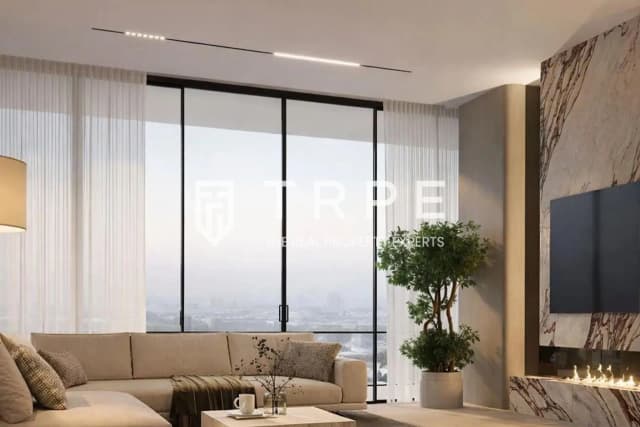
AED 1.6M
Vacant | 710 sq ft | Binghatti Avenue, Al Jaddaf
1 bed · 863 sq.ft

AED 2M
Resale at OP | Lagoons and Dubai Skyline Views | High Floor
1 bed · 788 sq.ft
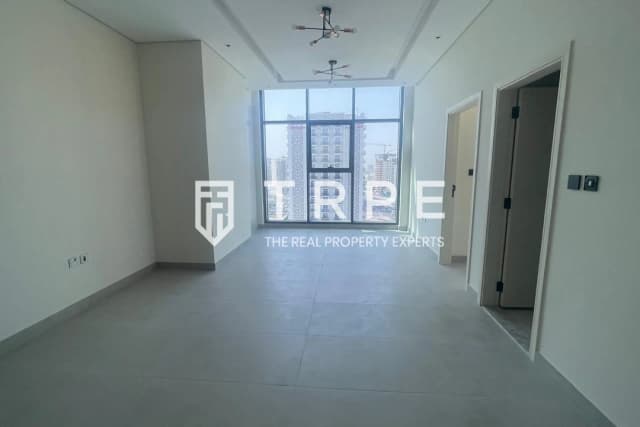
AED 110K/year
Community View | Upgraded | PG One, Al Furjan
1 bed · 830 sq.ft
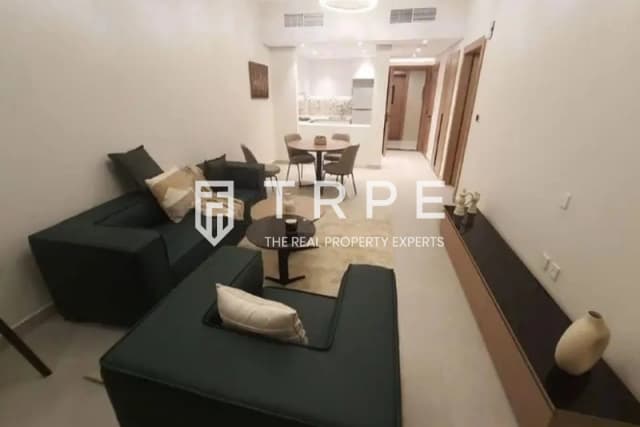
AED 75K/year
Furnished 1BR | Brand New | JVC District 16, JVC
1 bed · 862 sq.ft

Join our newsletter. No spam, unsubscribe anytime.
Contact
+971 50 523 2712info@trpe.aeQuick links to the most-searched combinations across Dubai.
TRPE Real Estate is a company registered in Dubai, United Arab Emirates. Trade License No. 999314 · RERA ORN 28357 · Office 1201, Ascott Park Place, Sheikh Zayed Road, Dubai. Regulated by the Real Estate Regulatory Agency (RERA).