The reserve fund is the part of a Dubai building's service charges set aside for emergencies and for replacing equipment in the common parts, such as lifts, chillers and pumps. Under Law 6 of 2019 it must be held in an account separate from the service charge account and cannot be spent, except in critical emergencies, without RERA's approval.
Part of the service charge you pay on a Dubai apartment does not go on this year's running costs at all. It goes into the reserve, which exists to pay for the expensive things a building needs once a decade rather than once a month. This guide covers what the fund pays for, what the law says about it, who sets the amount, what to ask before buying, and how to check the approved figures.
Lifts, chillers, roof waterproofing, facade work, pumps, fire systems. Items that cost a great deal, fail rarely, and cannot be deferred once they go. The reserve fund spreads that cost across the years so no single year brings a bill nobody budgeted for.
It is separate from the general running costs, which cover the day to day: cleaning, security, insurance, landscaping, common area electricity.
Law 6 of 2019 on jointly owned property sets the rules. Article 30 lists what the service charge account may be used for, and one of those purposes is creating a cash reserve to cover emergency expenses or to replace equipment and devices in the common parts. The law then adds three conditions:
That last point is why the size of the reserve matters to a buyer. When it runs short, the owners at the time pay.
Because you inherit the building's position, not just the flat. Two towers can charge the same service charge per square foot while one has been steadily funding its reserve for a decade and the other has not. When the chillers fail in the second, the owners can be asked for the money directly, and that request lands on whoever owns the flat at the time.
This is one of the least examined risks in Dubai apartment buying, and it is checkable before you commit.
Not the developer alone. Under Article 27 of the law, the management entity that runs the building (the developer or a management company) cannot charge owners anything for the common parts without RERA's approval, and RERA will not approve the budget until a certified audit firm it recognises has approved it. Article 28 says owners cannot refuse to pay charges RERA has approved.
The 2019 law also replaced owners associations: their rights and obligations passed to management entities (Article 49). For the building categories set out in Article 22, owners are represented by an owners committee of up to nine resident owners appointed by RERA, set up once at least 10% of the units are registered to their owners, and meeting every three months. Our guide to service charges in Dubai covers how that works and what the money buys, and our guide to owners associations and service charges explains who administers it now.
The DLD's Service Charge Index shows the RERA-approved service fees for a jointly owned building, free, on the DLD website (Mollak system) and the Dubai REST app. You can search by project, usage and budget year. Use it to confirm the overall rate, then ask the management company for the budget breakdown and the reserve balance. Our service charge index guide shows how to search it, and how to check service charges before you buy covers the full pre-purchase check.
Not by itself, and this is where buyers get caught. A building with a very low charge is either genuinely efficient or is not funding its reserve, and the two look identical on a listing. The second is cheaper every year until the year it is not.
What you want is a charge that looks reasonable for the amenity on offer, with a reserve fund that has actually been accumulating. If you are weighing two buildings and cannot get a clear answer on either, ask us to look before you sign.
Buying or renting in Dubai?
Have a question about this guide? Ask one of our agents on WhatsApp.
Have a question about this guide? Ask one of our agents on WhatsApp.
It is a cash reserve built from service charges to pay for emergencies and for replacing equipment in the common parts, such as lifts and chillers. Law 6 of 2019 requires it to be held in an account separate from the service charge account.
No. Under Article 30 of Law 6 of 2019 it may not be used for other purposes, except in critical emergencies, without RERA's prior approval.
If the reserve is not enough to cover emergency expenses, the DLD may, with RERA's prior approval, ask owners to cover them. That is why buyers should ask for the reserve balance before buying.
RERA. A management entity cannot charge owners for the common parts without RERA's approval, and RERA only approves a budget that a recognised certified audit firm has approved first (Article 27 of Law 6 of 2019).

Own a home in Dubai? See what it is worth.
Free, instant valuation from real DLD transactions.
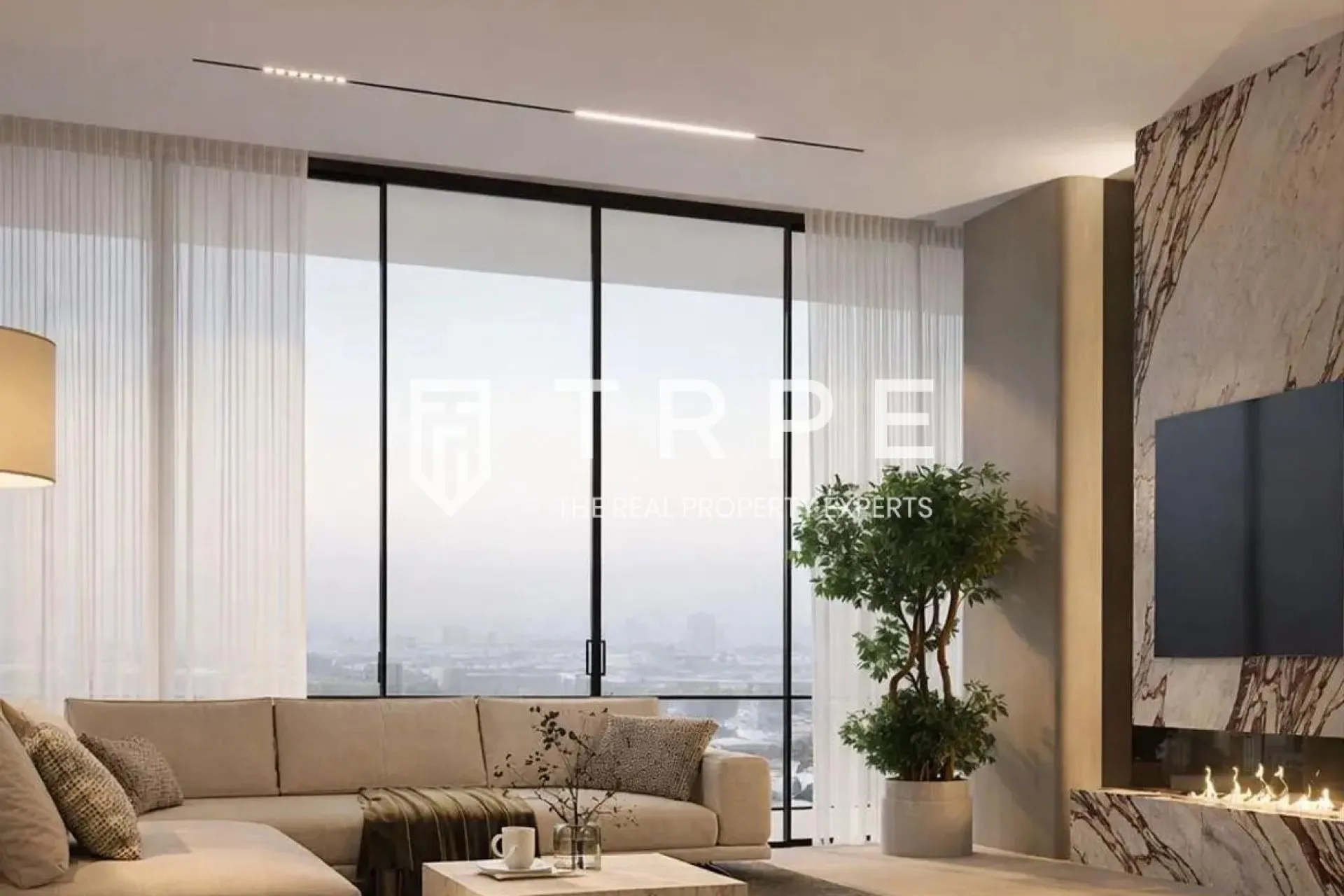
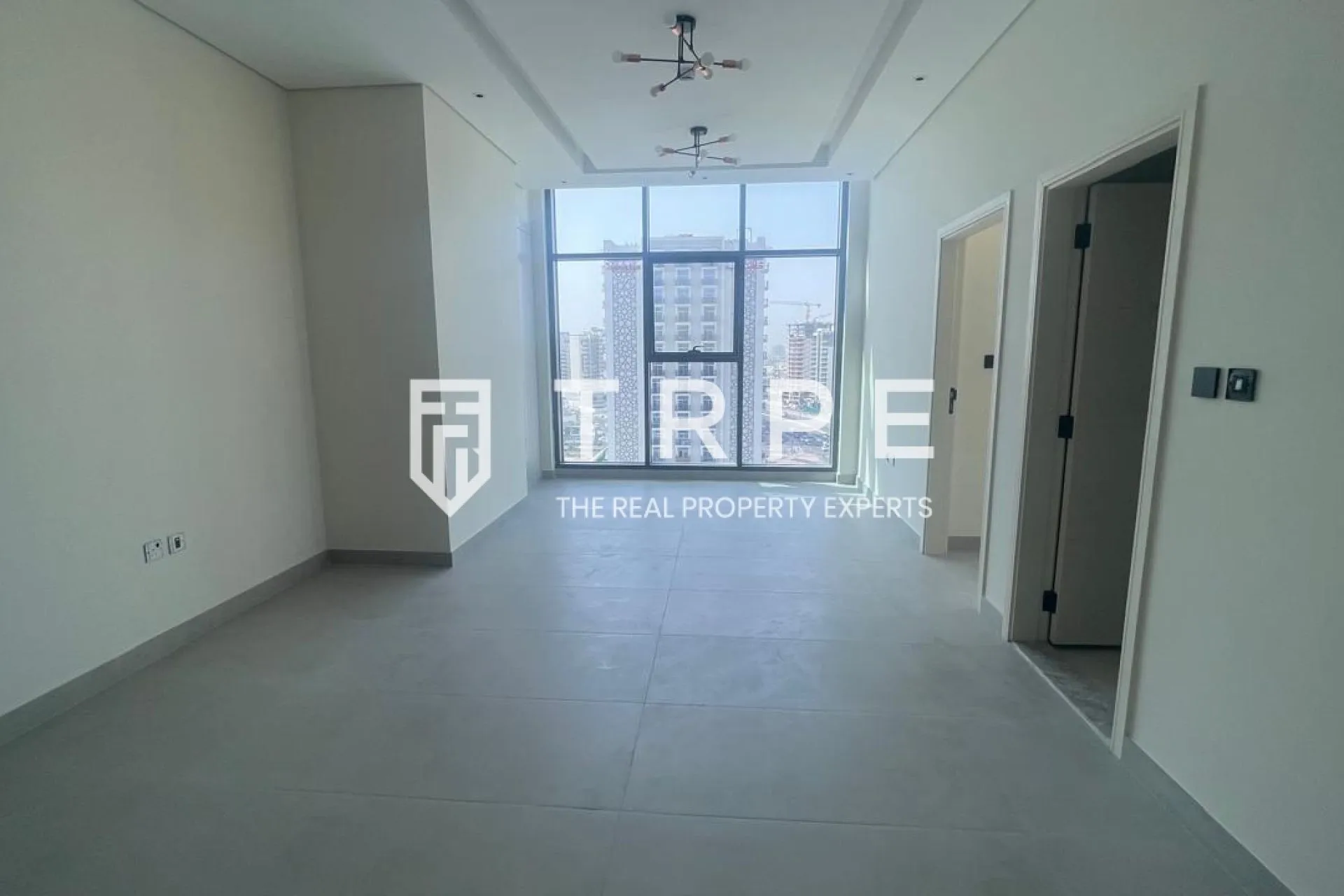
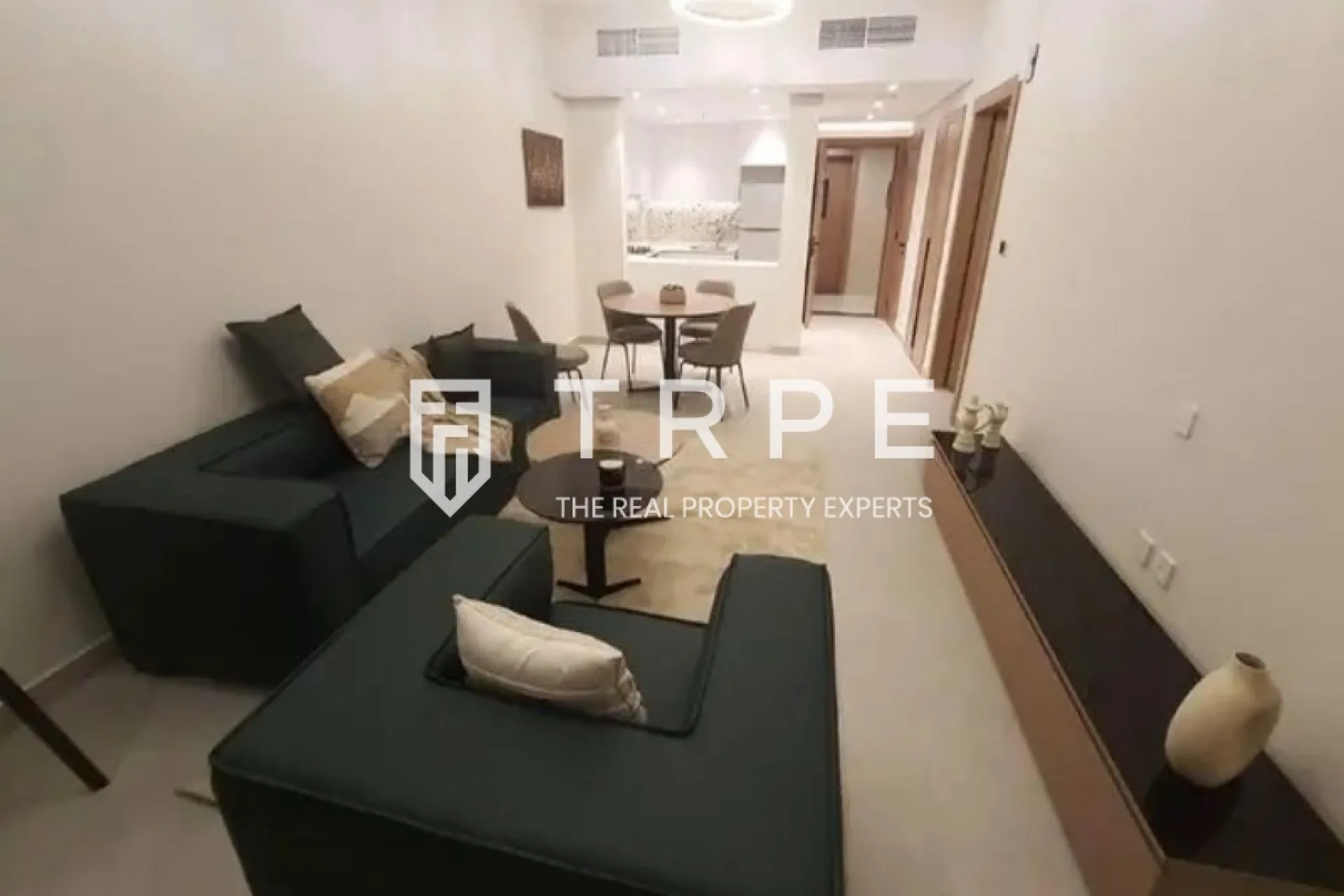
Handpicked for you
AED 1.6M
Vacant | 710 sq ft | Binghatti Avenue, Al Jaddaf
1 bed · 863 sq.ft

AED 2M
Resale at OP | Lagoons and Dubai Skyline Views | High Floor
1 bed · 788 sq.ft
AED 110K/year
Community View | Upgraded | PG One, Al Furjan
1 bed · 830 sq.ft
AED 75K/year
Furnished 1BR | Brand New | JVC District 16, JVC
1 bed · 862 sq.ft

Join our newsletter. No spam, unsubscribe anytime.
Contact
+971 50 523 2712info@trpe.aeQuick links to the most-searched combinations across Dubai.
TRPE Real Estate is a company registered in Dubai, United Arab Emirates. Trade License No. 999314 · RERA ORN 28357 · Office 1201, Ascott Park Place, Sheikh Zayed Road, Dubai. Regulated by the Real Estate Regulatory Agency (RERA).