People invest in Dubai real estate for four reasons: the UAE does not tax individuals' income, so rent is not taxed locally; foreigners can own freehold in designated areas; a growing population keeps rental demand steady; and a property worth AED 2 million or more can qualify you for a 10-year Golden Visa.
None of those makes every property a good investment. Prices move in cycles, new supply is heavy in some areas, and the costs of buying and holding are real. This guide sets out each reason with the official source behind it, the risks that come with them, and what to check before you commit. Fees and rules are as published by the Dubai Land Department (DLD) and the UAE government in November 2026.
No, not for individuals. The UAE government's taxation page states that the UAE does not levy income tax on individuals, so you pay no UAE tax on rent from a home you own personally. There is also no capital gains tax when an individual sells a home. Companies are different: UAE corporate tax applies to business profits, so take advice if you plan to buy through a company.
The main cost falls at purchase. The DLD property sale registration page sets the transfer fee at 4 percent of the price (listed as 2 percent from the buyer and 2 percent from the seller, though the sale contract decides who actually pays), plus AED 520 for the title deed and map on an apartment or villa, and a trustee office fee of AED 4,000 plus VAT (AED 2,000 plus VAT below AED 500,000). Our guide to Dubai Land Department fees breaks down every charge.
If you are taxed where you live, check how your home country treats foreign rental income. Many countries tax their residents on worldwide income, so the UAE position may not be the whole picture.
Yes, in designated freehold areas. Article 4 of Dubai Law No. 7 of 2006 on real property registration allows non-UAE nationals, in areas determined by the Ruler, freehold ownership without time limits, or usufruct and leasehold rights for up to 99 years. The UAE government's guide to expatriates buying property confirms that both residents and foreigners who do not live in the UAE can buy freehold in these areas, and that the DLD issues the title deed.
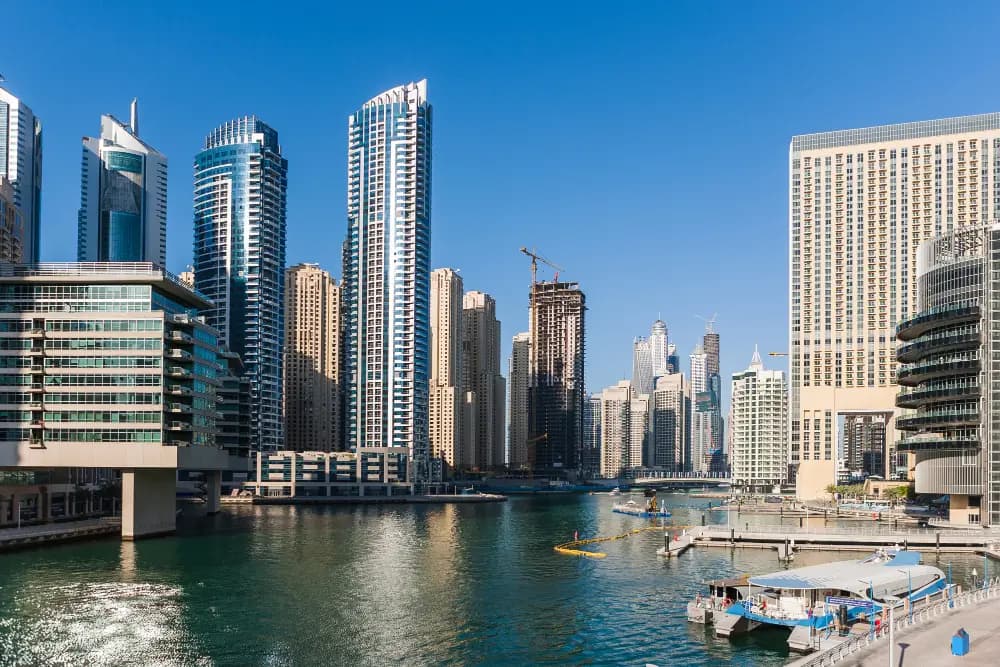
Most of the areas investors look at, including Dubai Marina, Downtown Dubai, Business Bay and Jumeirah Village Circle, are freehold. Our guide to buying as a foreigner covers the process step by step.
Dubai's population keeps growing, and most residents rent. The Dubai 2040 Urban Master Plan expects the population to reach about 5.8 million by 2040, a figure repeated in Nakheel's announcement of the Palm Jebel Ali masterplan. That is what keeps tenants coming for well-located, well-managed flats, particularly near metro stations and the main business districts.
Demand is not even across the city, though: it varies by area, by building and by unit type. The DLD's rental index shows the average rent for a given area and unit type, and rental yields by community shows where rents and prices line up for investors.
It can. The DLD Golden Visa for investors service gives a 10-year renewable residence permit to an investor who owns property worth AED 2 million or more at the time of purchase, and the investor can sponsor a spouse, children and parents. A mortgaged property is accepted with a bank letter. The ICP golden residency page says the property can be financed by an approved local bank, and that off-plan units worth AED 2 million or more bought from an approved local developer also count. The UAE government's Golden Visa page also lists a 5-year real estate route, so check which one applies to you.
Our guide to the Golden Visa through off-plan property explains the conditions in more detail.
Many new projects are sold off-plan on developer payment plans, paid in stages during construction. Under Dubai Law No. 8 of 2007, buyers' payments for off-plan units go into an escrow account for the project, not straight to the developer. That lowers the cash needed at the start. It also adds risks of its own, set out below, and our article on whether off-plan is a good investment weighs them.
It can be, for the right unit at the right price, held for long enough. The tax treatment and the open ownership rules are real advantages, written into UAE and Dubai law. What decides the return is the specific property: its price, its rent, its running costs and how easily it will sell. Once you have decided to invest, compare the property investment options in Dubai, or tell us your budget and whether you want income, growth or residency, and we will show you what fits.
Buying or renting in Dubai?
Ask one of our agents on WhatsApp about buying in Dubai: areas, costs and the process.
Ask one of our agents on WhatsApp about buying in Dubai: areas, costs and the process.
Not for individuals. The UAE does not levy income tax on individuals, so you pay no UAE tax on rent from property you own personally. Corporate tax can apply if you own through a company, and your home country may tax foreign rental income.
Yes. Dubai Law No. 7 of 2006 lets non-UAE nationals own freehold in designated areas, with the title registered by the Dubai Land Department. Residents and non-residents can both buy.
Property worth AED 2 million or more can qualify you for a 10-year renewable Golden Visa covering your spouse, children and parents. Mortgaged property needs a bank letter, and off-plan units from an approved developer can count. The UAE government also lists a 5-year real estate route.
The Dubai Land Department transfer fee is 4 percent of the price, plus AED 520 for the title deed and map on an apartment or villa and a trustee office fee of AED 4,000 plus VAT. Agency commission and, with a mortgage, a 0.25 percent registration fee come on top.
No. Decree No. 43 of 2013 caps rent increases at renewal according to how far the current rent is below the RERA rental index for similar units.

Own a home in Dubai? See what it is worth.
Free, instant valuation from real DLD transactions.
Handpicked for you
AED 1.6M
Vacant | 710 sq ft | Binghatti Avenue, Al Jaddaf
1 bed · 863 sq.ft

AED 2M
Resale at OP | Lagoons and Dubai Skyline Views | High Floor
1 bed · 788 sq.ft
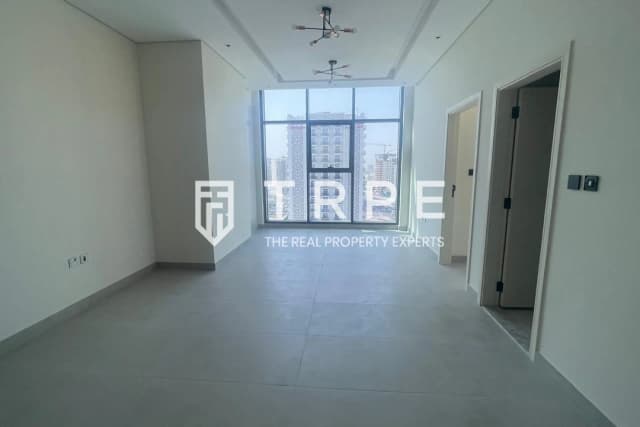
AED 110K/year
Community View | Upgraded | PG One, Al Furjan
1 bed · 830 sq.ft
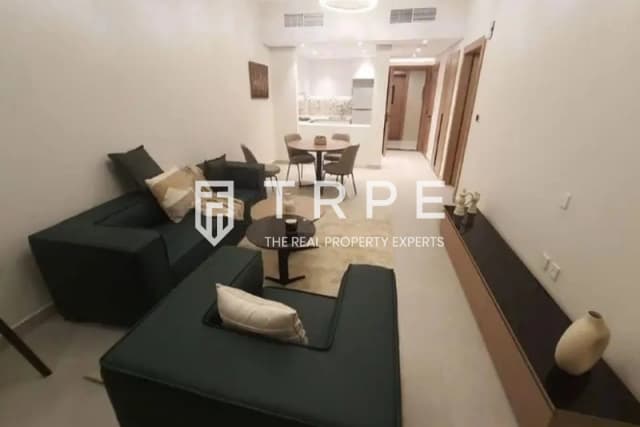
AED 75K/year
Furnished 1BR | Brand New | JVC District 16, JVC
1 bed · 862 sq.ft

Join our newsletter. No spam, unsubscribe anytime.
Contact
+971 50 523 2712info@trpe.aeQuick links to the most-searched combinations across Dubai.
TRPE Real Estate is a company registered in Dubai, United Arab Emirates. Trade License No. 999314 · RERA ORN 28357 · Office 1201, Ascott Park Place, Sheikh Zayed Road, Dubai. Regulated by the Real Estate Regulatory Agency (RERA).