Yes, you can buy property in Dubai from overseas without living here. Foreigners can own freehold in Dubai's freehold areas with no residency requirement, and Dubai Land Department accepts a valid passport instead of an Emirates ID at transfer. You either travel once for the transfer or appoint someone through a power of attorney.
There is no restriction by nationality in freehold areas. What there is, is paperwork. This guide covers the two ways to complete, the documents, the costs, paying from abroad, mortgages and what happens after you buy.
Yes. The UAE government portal confirms that foreigners who do not live in the UAE can acquire freehold in Dubai's designated areas, and that there is no age limit to own property. The original list of areas is in Regulation No. 3 of 2006, and freehold areas have been added since then, so a community missing from that list is not a reason on its own to rule it out. As with any purchase, check that the unit is registered with Dubai Land Department in a form a foreign buyer can hold. Our guide to freehold property explains the ownership types.
| Travel for the transfer | Power of attorney | |
|---|---|---|
| Your time | One trip, two to three days | None |
| Setup | None beyond the trip | POA drafted, attested, translated |
| Cost | Flights and hotel | Attestation and legal fees |
| Suits you when | You want to see the property first | You buy off-plan or already know the building |
A POA lets a named person sign on your behalf. To be valid in Dubai it usually must be:
The exact chain differs by country, so confirm it with the UAE embassy or consulate where you will sign. Allow two to four weeks. Start it early rather than when a deal is agreed, because a seller will not wait indefinitely. Our guide to a power of attorney for a Dubai property purchase covers the wording and the pitfalls.
| Cost | Amount |
|---|---|
| DLD transfer fee | 4% of the price (DLD splits it 2% buyer, 2% seller; the contract decides who actually pays) |
| Title deed, map, knowledge and innovation fees | AED 520 for an apartment |
| Trustee office fee | AED 4,000 + VAT (AED 2,000 + VAT below AED 500,000) |
| Mortgage registration, if borrowing | 0.25% of the loan + AED 270 |
Sources: DLD property sale registration and mortgage registration. Add agency commission and, if you use one, legal fees. Budget the full purchase costs, 6 to 8 percent, using our fees guide.
For off-plan, payments go by international transfer into the project's escrow account, which Law No. 8 of 2007 requires for off-plan sales, rather than to the developer directly. For a resale, the money is usually paid by manager's cheque at the trustee office on transfer day, so the funds need to be in a UAE bank account in time. Banks will ask about source of funds, so have documentation ready. Currency movement between agreement and transfer is your risk, not the seller's.
Yes, from banks that lend to non-residents, but expect a larger deposit than a resident would need. The Central Bank's mortgage regulations set the ceilings every bank works within:
These are maximums. Each bank sets its own, usually lower, limit for buyers who do not live in the UAE, so get a written pre-approval before you commit. Our guide to mortgages in Dubai sets out what banks require.
It can. Dubai Land Department lists a 10-year renewable Golden Visa for owners of property valued at AED 2 million or more, including mortgaged property with a bank letter, and off-plan property counts. Joint owners each need AED 2 million. The DLD fee for the investor is AED 9,884.75. Owning property does not oblige you to live here. See residence visas through property for the routes.
If the property will be let, someone has to hold keys, meet tenants and handle maintenance. Most overseas owners appoint a managing agent, and every lease must be registered in Ejari. If it will sit empty, remember service charges and DEWA still run. Check the building's service charge in the DLD service charge index before you buy.
We work with overseas buyers regularly and can view on your behalf, film walkthroughs and manage the transfer. Tell us what you are looking for, or browse homes for sale.
A lawyer can help with the document, see when you need a real estate lawyer.
Buying or renting in Dubai?
Ask one of our agents on WhatsApp about buying in Dubai: areas, costs and the process.
Ask one of our agents on WhatsApp about buying in Dubai: areas, costs and the process.
Yes. Foreigners who do not live in the UAE can buy freehold in Dubai's freehold areas, with no residency requirement and no restriction by nationality. Dubai Land Department accepts a valid passport instead of an Emirates ID. You can travel once for the transfer or appoint someone through a power of attorney.
It must be drafted for the transaction, notarised in your country, attested by the UAE embassy there and by the UAE Ministry of Foreign Affairs, then legally translated into Arabic. The exact chain varies by country, so confirm it with the UAE embassy. Allow two to four weeks.
Yes, from banks that lend to non-residents. The Central Bank caps a first home for an expatriate at 80 percent of the value under AED 5 million and off-plan at 50 percent, but each bank sets its own, usually lower, limit for non-residents. Get a written pre-approval first.
Property valued at AED 2 million or more can qualify for a 10-year renewable Golden Visa, according to Dubai Land Department, including mortgaged property with a bank letter and off-plan property. Joint owners each need AED 2 million.
Buying in Dubai? See your monthly payment and fees.
UAE bank rules and Land Department fees, in seconds.
Handpicked for you
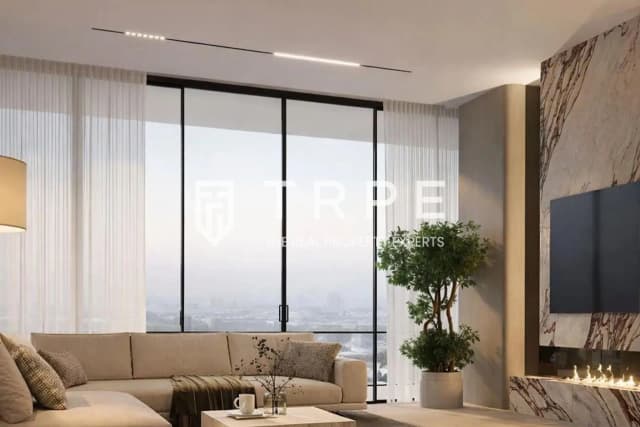
AED 1.6M
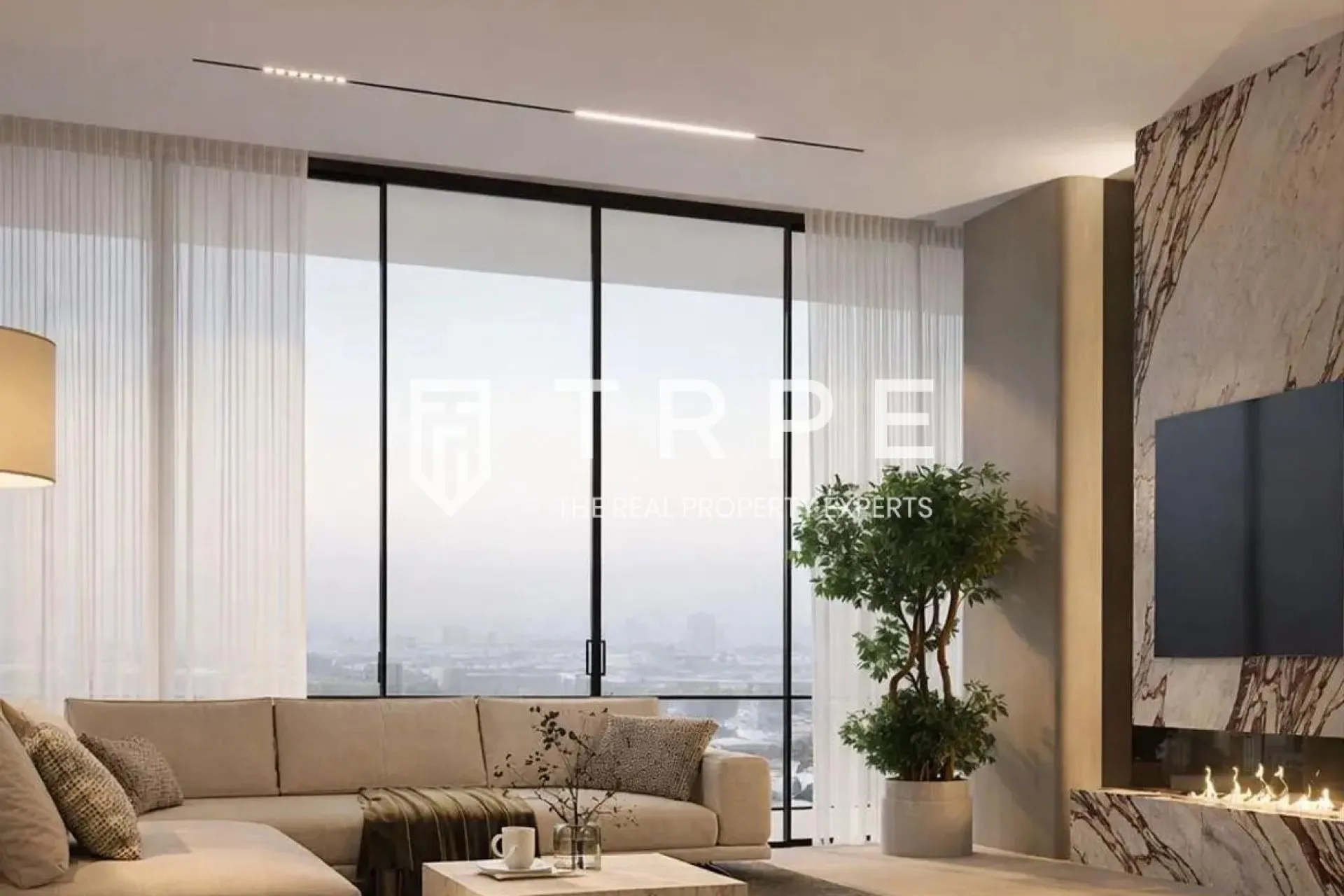
Vacant | 710 sq ft | Binghatti Avenue, Al Jaddaf
1 bed · 863 sq.ft

AED 2M
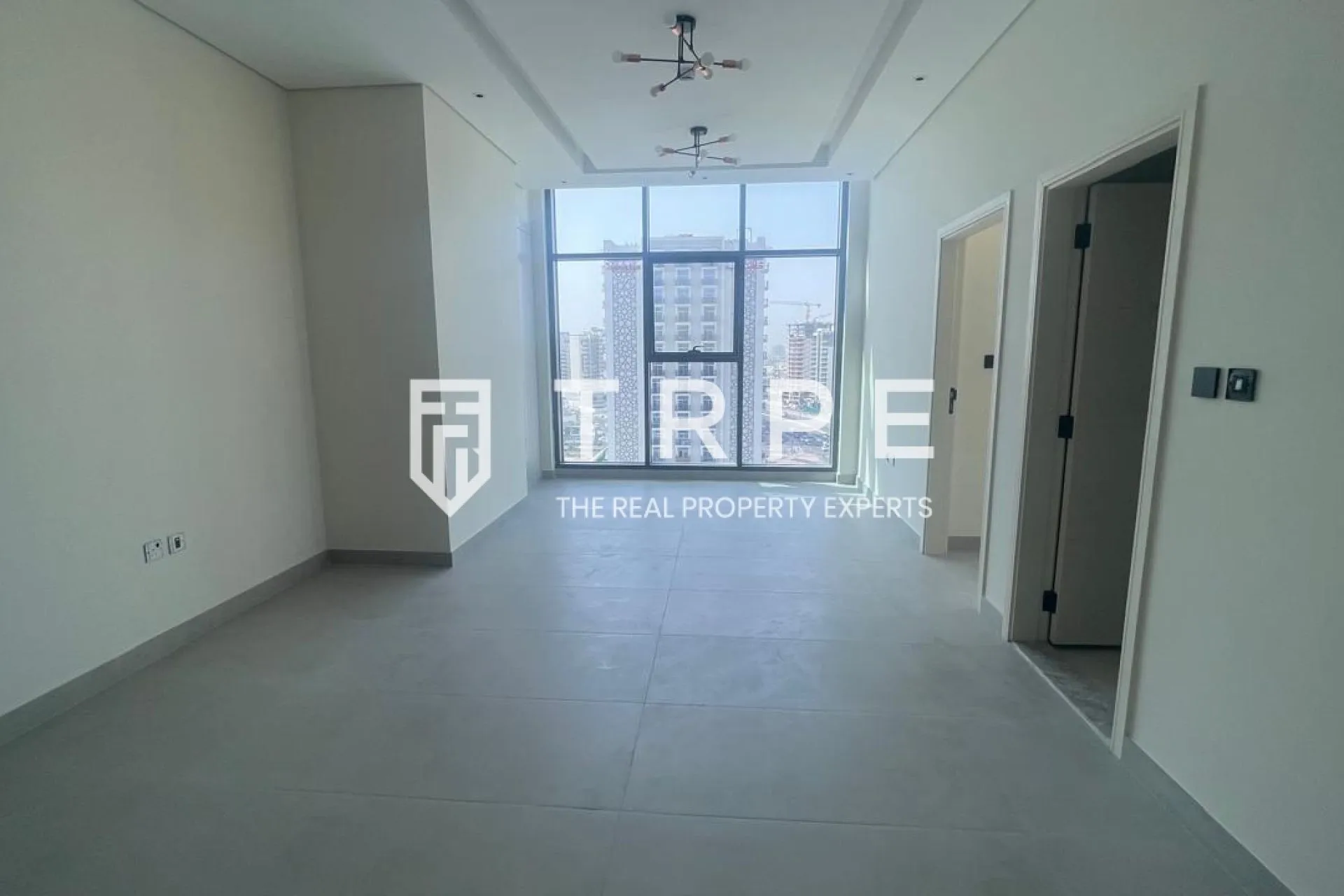
Resale at OP | Lagoons and Dubai Skyline Views | High Floor
1 bed · 788 sq.ft
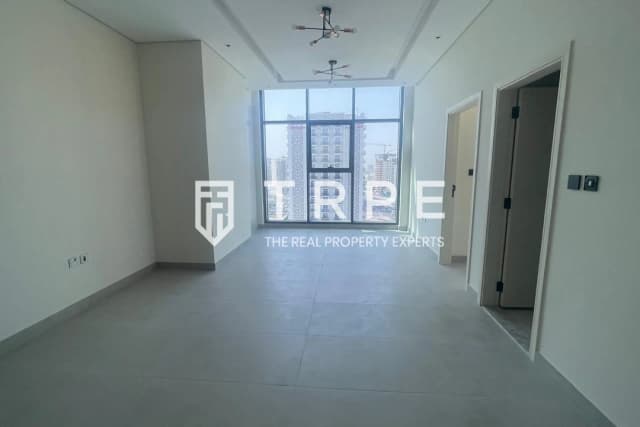
AED 110K/year
Community View | Upgraded | PG One, Al Furjan
1 bed · 830 sq.ft
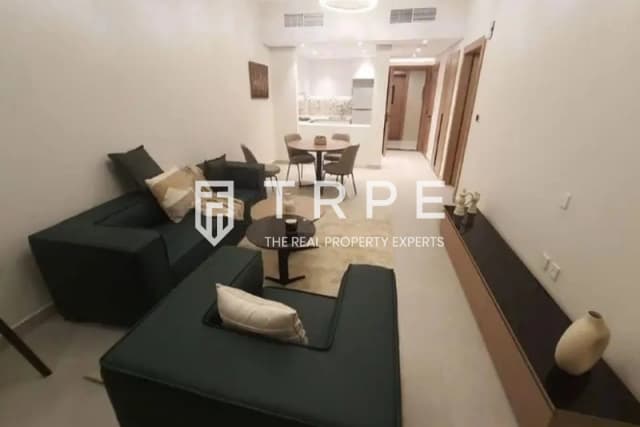
AED 75K/year
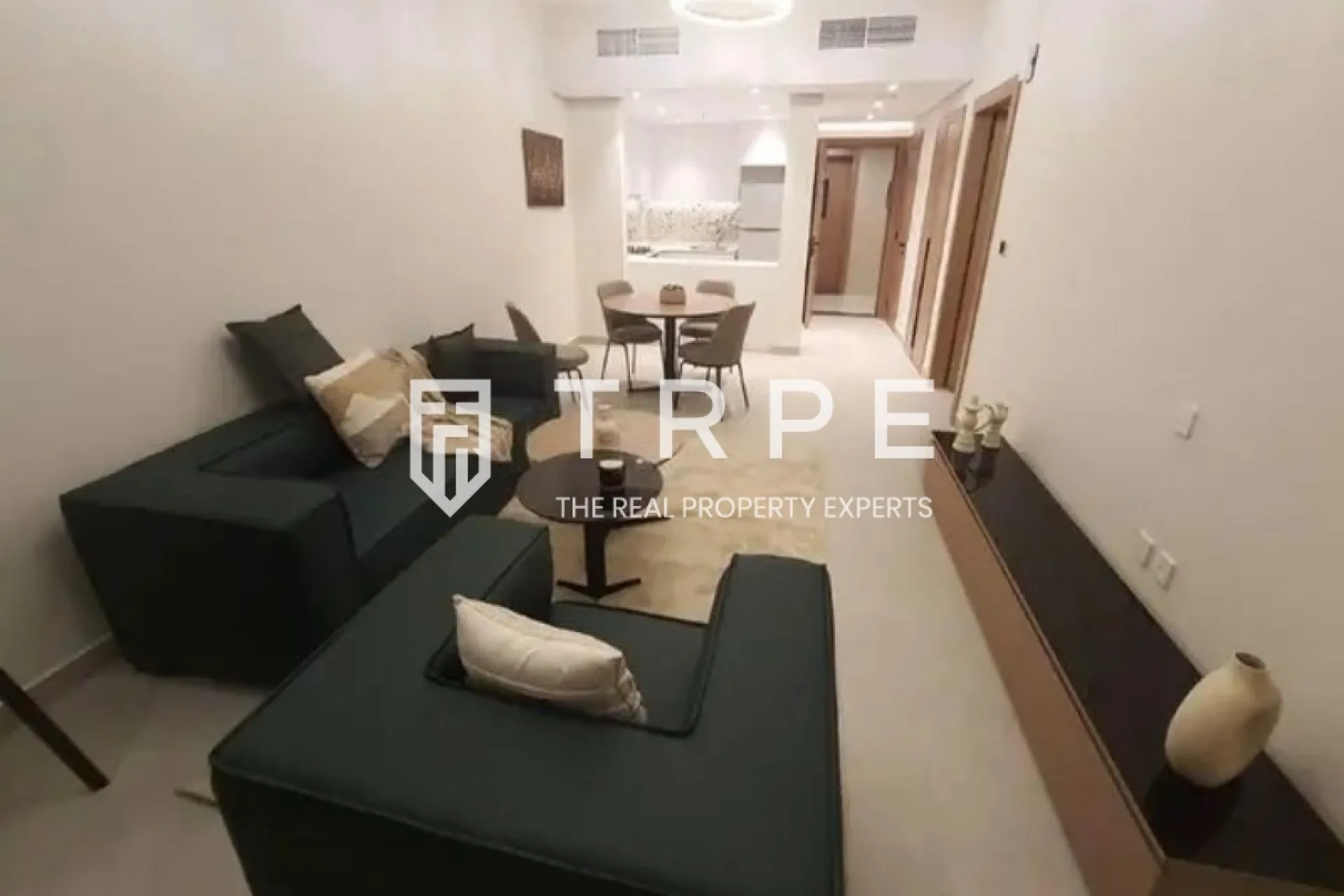
Furnished 1BR | Brand New | JVC District 16, JVC
1 bed · 862 sq.ft

Join our newsletter. No spam, unsubscribe anytime.
Contact
+971 50 523 2712info@trpe.aeQuick links to the most-searched combinations across Dubai.
TRPE Real Estate is a company registered in Dubai, United Arab Emirates. Trade License No. 999314 · RERA ORN 28357 · Office 1201, Ascott Park Place, Sheikh Zayed Road, Dubai. Regulated by the Real Estate Regulatory Agency (RERA).