A sale does not cancel your Dubai tenancy. Under Article 28 of Law No. 26 of 2007, the new owner takes over your fixed-term lease and must honour it to the end of the term. To evict you because they want to sell or live there, they must give twelve months' notice through a notary public or registered mail.
Tenants are often told to pack because the landlord is selling. That is not how it works. Here is what the law actually says, what happens in practice, and what you can insist on.
Yes. Article 28 of Law No. 26 of 2007 says that transferring ownership to a new owner does not affect the tenant's right to stay under the lease signed with the previous owner, provided the lease has a fixed term. Dubai leases are normally twelve-month fixed-term contracts, so in most cases the new owner steps into the old landlord's place.
| Situation | Where you stand |
|---|---|
| Property sold mid tenancy | Your contract continues on the same terms (Law 26/2007, Art. 28) |
| New owner wants to move in or sell | Twelve months written notice, via notary or registered mail, and eviction only once the contract has expired (Art. 25(2)) |
| New owner wants to raise the rent | Ninety days notice before renewal (Art. 14), within the Decree 43 limits |
| Asked to leave immediately | Not enforceable. The tenancy stands |
| Viewings during your tenancy | By reasonable arrangement, not on demand |
Current as of November 2026. If a dispute reaches the Rental Disputes Centre, the registered Ejari contract is the document that decides it, which is why registration matters. You can register or renew a contract through the DLD's Ejari service. See Ejari and tenancy contracts explained.
Article 25(2) of the tenancy law, as amended by Law No. 33 of 2008, lets a landlord seek eviction when the lease expires only for set reasons. Two of them matter when a property is sold:
In both cases the landlord must tell you the reason at least twelve months before the eviction date, and the notice must be served through a notary public or by registered mail. The clock starts when that notice is properly served, not when the conversation happened. If a previous owner served notice before the sale, ask the new owner to confirm in writing whether they rely on it, and keep a copy of the original notice.
A message saying the property is sold and you have thirty days is not notice.
Only at renewal and only within the rules. Either side that wants to change the terms must give at least 90 days' notice before the contract ends (Article 14). The increase is capped by Decree No. 43 of 2013, which ties it to how far your rent is below the DLD Rental Index average for similar units: from no increase up to a maximum of 20%. Our guide to rent increases shows how it is calculated.
You have to be reasonable, not available on demand. Agree a pattern in writing: a day and a window, with notice each time, and no unaccompanied access. You are entitled to quiet enjoyment of the home you are paying for, and a stream of unannounced visits is not that.
If viewings become disruptive, put your objection in writing. A documented request that was ignored is what a dispute turns on.
Your security deposit sits with whoever you paid it to. When ownership changes, confirm in writing who holds it and who will return it at the end of the tenancy, because this is the single most common thing that goes wrong. Do the same for any post dated cheques: get written confirmation of the new payee before you hand anything over, and never cancel existing cheques without that confirmation.
Our guide to renting in Dubai covers deposits and the end of tenancy in full.
Yes, and it is often the sensible outcome. A buyer who wants the property vacant may prefer to compensate you rather than wait a year. If you negotiate, agree the amount, the date, the return of your deposit and the release of your remaining cheques in one written agreement, signed before you start packing.
If notice was served incorrectly or a new owner is pressing you to leave, the Rental Disputes Centre handles it and the registered contract is the reference point. A tenant can register a case with the RDC online or at a trustee centre. For eviction, renewal and similar claims the RDC lists a fee of 3.5% of the annual rent, with a minimum of AED 500 and a maximum of AED 20,000, plus small service charges. Our guide to how the RDC works explains the process. Keep everything documented and you are in a strong position.
Speak to us if you are renting a property that has been sold and you want to know where you stand. If you would rather move on your own terms, browse what is available to rent.
Buying or renting in Dubai?
Ask one of our agents on WhatsApp about renting in Dubai: areas, budgets and contracts.
Ask one of our agents on WhatsApp about renting in Dubai: areas, budgets and contracts.
Not immediately. Under Article 28 of Law No. 26 of 2007 your fixed-term contract continues and the new owner inherits it. If they want to sell or use the property themselves, they must give twelve months written notice through a notary public or registered mail, and eviction can only follow once the contract has expired. Current as of November 2026.
You have to be reasonable, not available on demand. Agree a day and a time window in writing, with notice each time and no unaccompanied access. If viewings become disruptive, put your objection in writing so it is documented.
Whoever holds it, which is why you should get written confirmation of who that is as soon as you learn of the sale. Do the same for post dated cheques, and never cancel existing cheques before you have written confirmation of the new payee.
Only at renewal, with at least 90 days notice before the contract ends, and within the limits of Decree No. 43 of 2013, which links the maximum increase to the DLD Rental Index.

Own a home in Dubai? See what it is worth.
Free, instant valuation from real DLD transactions.
Handpicked for you
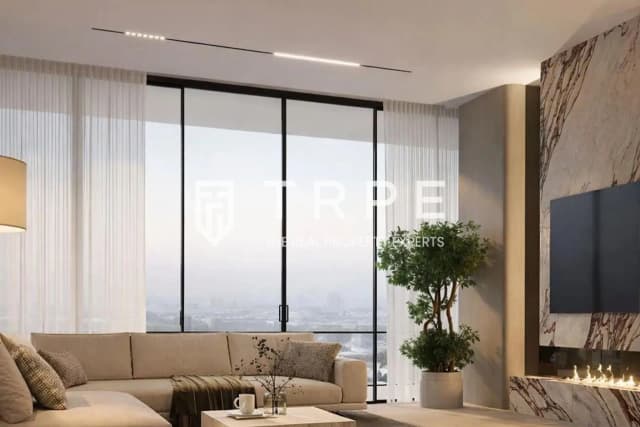
AED 1.6M
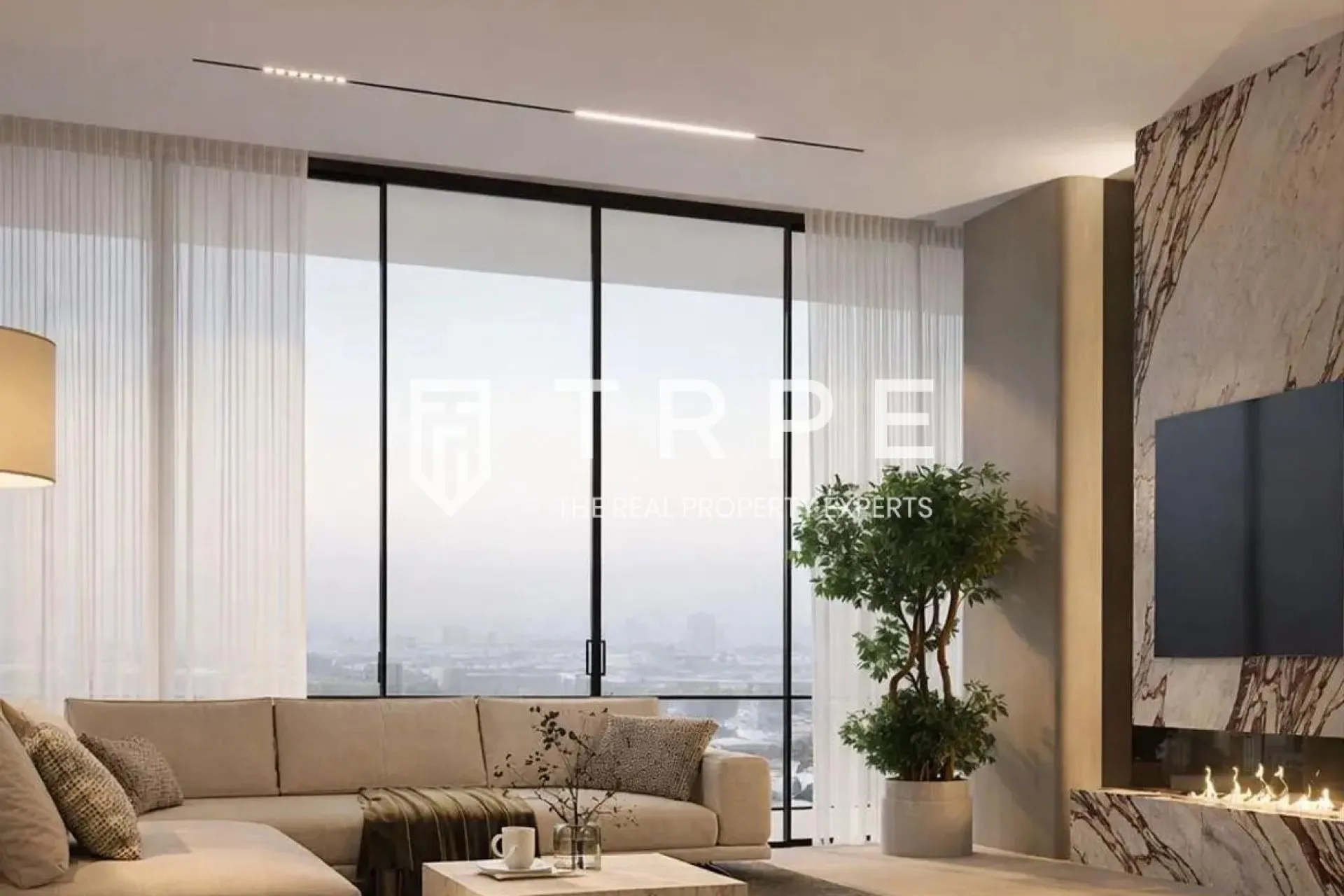
Vacant | 710 sq ft | Binghatti Avenue, Al Jaddaf
1 bed · 863 sq.ft

AED 2M
Resale at OP | Lagoons and Dubai Skyline Views | High Floor
1 bed · 788 sq.ft
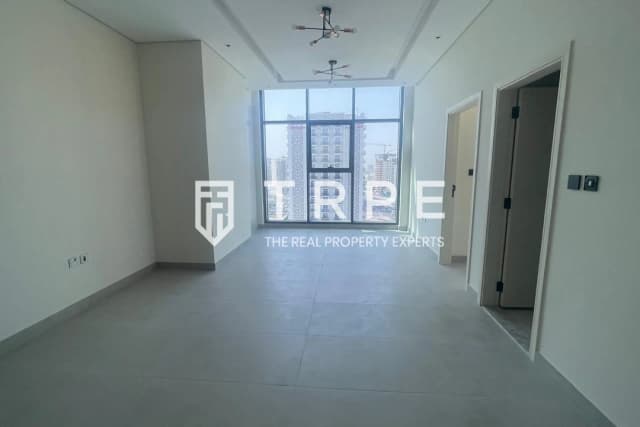
AED 110K/year
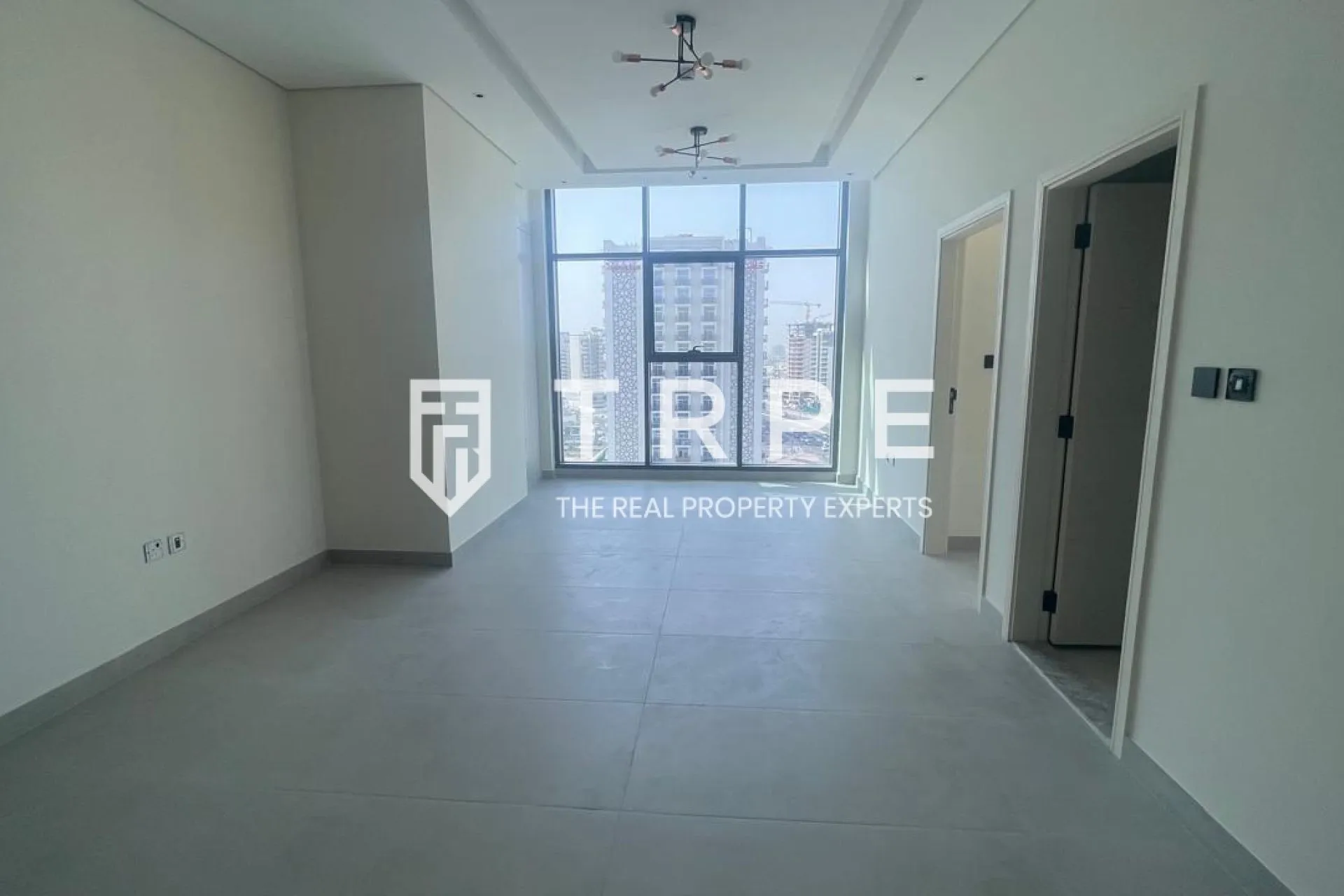
Community View | Upgraded | PG One, Al Furjan
1 bed · 830 sq.ft
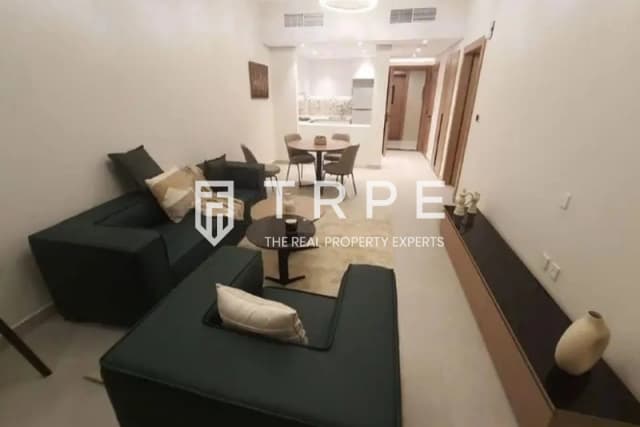
AED 75K/year
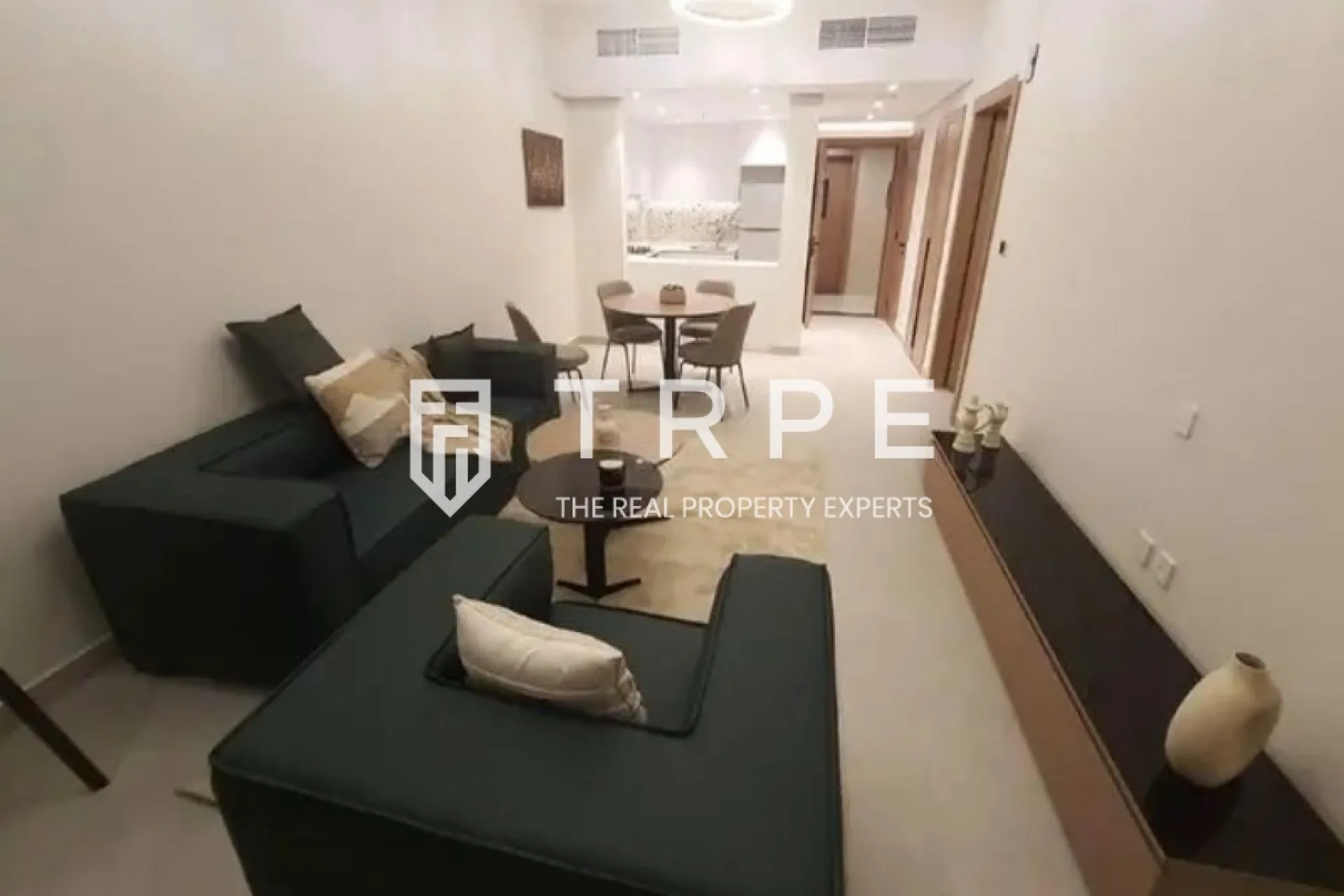
Furnished 1BR | Brand New | JVC District 16, JVC
1 bed · 862 sq.ft

Join our newsletter. No spam, unsubscribe anytime.
Contact
+971 50 523 2712info@trpe.aeQuick links to the most-searched combinations across Dubai.
TRPE Real Estate is a company registered in Dubai, United Arab Emirates. Trade License No. 999314 · RERA ORN 28357 · Office 1201, Ascott Park Place, Sheikh Zayed Road, Dubai. Regulated by the Real Estate Regulatory Agency (RERA).