To rent an apartment in Dubai: choose your area and budget, view and make an offer, sign a tenancy contract, pay the rent by cheque or transfer and the deposits, register the contract on Ejari, then connect DEWA and move in. Rent is quoted per year and usually paid in post-dated cheques. Your contract must be registered with the Dubai Land Department on Ejari, and DEWA only asks for your deposit once that registration is done.
This guide walks through every step in order, what it costs, how the cheque system works, and the rules that protect you as a tenant (as of October 2026).
Rent, agency fee and deposits all land within days of each other, so work out the full first payment before you start viewing. Our guide to the best areas to rent helps you compare communities, and you can browse all homes for rent to see current asking prices.
Agree the annual rent, the number of cheques, who pays for maintenance, and what is included, such as parking or chiller. Get it in writing before you pay anything.
You will usually need your passport, residence visa and Emirates ID, plus the payment. Read what the contract says about maintenance, subletting and early termination before signing. The Dubai Land Department publishes a unified tenancy contract form that landlords use.
Ejari is the official registration of your tenancy with the Dubai Land Department. It can be done through a real estate trustee centre, the Ejari system or the Dubai REST app. A tenant can start the request, but the landlord must approve it, and the request is cancelled automatically if the landlord does not respond within five days. The minimum lease term is one year.
Once Ejari is issued, DEWA sends you a contract account number and the deposit amount to pay. Chilled water for air conditioning is sometimes billed separately, so ask before signing.
Photograph everything, dated, on the day you get the keys, including walls, floors, fittings and appliances. Deposit disputes are among the most common problems tenants face, and photographs settle them.
| Cost | Amount | Refundable? |
|---|---|---|
| Annual rent | Quoted per year | No |
| Security deposit | Usually 5% unfurnished, 10% furnished | Yes, if there is no damage |
| Agency fee | Usually 5% of annual rent | No |
| Ejari registration | Roughly AED 180 to 220, depending on channel | No |
| DEWA deposit | AED 2,000 flat, AED 4,000 villa | Yes, when you move out |
| Move-in fee | Set by the building, if any | Varies |
The deposit percentages and the agency fee are market practice rather than fixed by law, so confirm them before you agree. The DEWA deposits come from DEWA's move-in page, and Ejari fees vary by channel on the Dubai Land Department site, so check the current figure when you register. As a rough rule, budget around 10 percent of the annual rent on top of the rent itself, and know that the deposits come back when you leave.
If you are comparing small units, see how much a studio costs per month in Dubai, or start with studios for rent in Dubai.
Rent is traditionally paid with post-dated cheques covering the year, and the number of cheques is negotiable. It changes the price.
| Cheques | How it works | What to expect |
|---|---|---|
| 1 cheque | The whole year up front | Usually the lowest rent, landlords prefer it |
| 2 cheques | Every six months | Common and widely accepted |
| 4 cheques | Quarterly | Standard for many tenants, priced slightly higher |
| 6 or 12 cheques | Every two months or monthly | Fewer landlords accept, and it often costs the most |
The gap between one cheque and four is often five to ten percent of the rent, so ask for both figures before you decide. Bouncing a rent cheque is a serious matter in the UAE, so only commit to a schedule you are certain of.
If you do not yet have a visa, ask the agent what the landlord will accept, because requirements differ by landlord.
At renewal, the maximum increase is set by Decree No. 43 of 2013, which compares your rent to the average rental value of similar units on the Dubai rent index. The cap depends on how far your rent is below that average:
| Your rent compared with the index average | Maximum increase |
|---|---|
| Up to 10% below | No increase |
| 11% to 20% below | 5% |
| 21% to 30% below | 10% |
| 31% to 40% below | 15% |
| More than 40% below | 20% |
You can check your own numbers with our rent increase calculator, or with the Dubai Land Department's rental index service, which asks for your contract expiry date, property type, area, number of rooms and current rent.
A party who wants to change the terms at renewal must notify the other at least 90 days before the lease expires, unless the contract says otherwise. Without proper notice, the lease generally renews on the same terms.
If the owner wants to sell the property or move in themselves or a close relative, the law requires notice at least 12 months before the date of eviction, delivered through a notary public or by registered mail. For personal use, the owner must also show they have no other suitable property. For unpaid rent, the landlord serves a notice and the tenant has 30 days to pay.
Disputes go to the Rental Dispute Centre. According to a January 2026 Gulf News report, the fee for rental claims is 3.5 percent of the annual rent, with a minimum of AED 500 and a maximum of AED 20,000. You will need your latest Ejari-registered lease, which is the practical reason to insist on Ejari. For more on how registration works, see Ejari and tenancy contracts explained.
Furnished units usually carry a higher rent and, by common practice, a larger security deposit. Unfurnished units cost less per year but need a budget for furniture and appliances. If you plan to stay only one lease term, furnished can work out simpler. If you plan to stay longer, unfurnished is normally cheaper over time.
Browse what is available now: apartments for rent, villas for rent and townhouses for rent across Dubai. The tenancy contract and registration steps are also summarised on our renting process page.
If you expect to stay several years, buying can cost less monthly than renting. Our guide to Dubai Land Department fees sets out what a purchase costs, and buying as a foreigner covers eligibility.
Check the official pages before you register: the Dubai Land Department's Ejari registration service.
Speak to a RERA-licensed adviser if you would like help either way.
See our 1 bedroom apartment rent prices by area.
See our Ejari fees by route.
See our 2 bedroom apartment rent prices by area.
See our Ejari cancellation guide.
See our can you pay rent monthly in Dubai.
Buying or renting in Dubai?
Ask one of our agents on WhatsApp about renting in Dubai: areas, budgets and contracts.
Ask one of our agents on WhatsApp about renting in Dubai: areas, budgets and contracts.
Decide your budget and area, view and make an offer, sign the tenancy contract, pay the rent, deposit and agency fee, register the contract on Ejari, connect DEWA, then photograph the unit and move in.
Rent is traditionally paid with post-dated cheques covering the year. One cheque is usually cheapest and landlords prefer it, while four cheques, quarterly, is common. The difference between one and four is often five to ten percent of the rent.
Ejari is the official registration of your tenancy contract with the Dubai Land Department. DEWA sends your deposit request once it is issued, and the Rental Dispute Centre requires an Ejari-registered lease to file a claim.
Around 10 percent of the annual rent: a security deposit, usually 5 percent unfurnished or 10 percent furnished, an agency fee usually 5 percent, the Ejari fee, and a DEWA deposit of AED 2,000 for a flat or AED 4,000 for a villa. The deposits are refundable.
No. At renewal the maximum increase is set by Decree No. 43 of 2013 and depends on how far your rent is below the average for similar units. Changes need at least 90 days notice before the lease ends.
If the owner wants to sell or use the property personally, the law requires at least 12 months notice, delivered through a notary public or by registered mail.
The Dubai Land Department states that the minimum lease term for Ejari registration is one year.
Handpicked for you
AED 1.6M
Vacant | 710 sq ft | Binghatti Avenue, Al Jaddaf
1 bed · 863 sq.ft

AED 2.3M
Boulevard View | Premium Finishes | Prime Location: City Walk
1 bed · 789 sq.ft
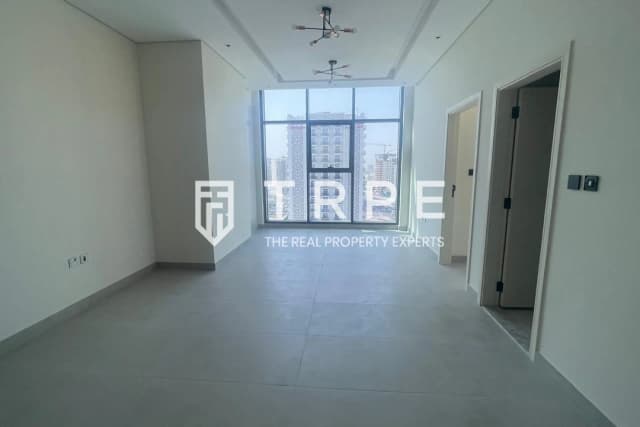
AED 110K/year
Community View | Upgraded | PG One, Al Furjan
1 bed · 830 sq.ft

AED 2M
Resale at OP | Lagoons and Dubai Skyline Views | High Floor
1 bed · 788 sq.ft


Join our newsletter. No spam, unsubscribe anytime.
Contact
+971 50 523 2712info@trpe.aeQuick links to the most-searched combinations across Dubai.
TRPE Real Estate is a company registered in Dubai, United Arab Emirates. Trade License No. 999314 · RERA ORN 28357 · Office 1201, Ascott Park Place, Sheikh Zayed Road, Dubai. Regulated by the Real Estate Regulatory Agency (RERA).