
Rent in Dubai is set as a yearly amount and is usually paid in one to four post-dated cheques. You can pay monthly only if the landlord agrees, for example with 12 cheques or a direct debit schedule set up in Ejari. No law gives a tenant the right to monthly payments.
This guide covers the ways to get a monthly arrangement, what each costs, and how to protect yourself.
Yes, but it is a negotiation, not a right. Many new arrivals are asked to pay the annual rent in one to four post-dated cheques, which clashes with a monthly salary. Monthly payment is an option the landlord can offer, not a legal requirement, and landlords can still ask for one, two or four cheques. Our own guide to renting in Dubai sets out the cheque system in full.
A tenancy is a contract for a stated annual rent, registered with the Dubai Land Department through Ejari. Registration is required under Dubai's tenancy law, Law No. 26 of 2007, and the DLD lists the Ejari fee at AED 177.75 online or AED 220 at a trustee centre. You pay that figure in a number of cheques, and the number is negotiable:
| Option | What it means | Effect on price |
|---|---|---|
| 1 cheque | The whole year up front | Cheapest, and landlords prefer it |
| 2 cheques | Every six months | Common and widely accepted |
| 4 cheques | Quarterly | The standard for most tenants, priced slightly higher |
| 6 or 12 cheques | Monthly or near monthly | Possible on some homes, and costs the most |
Our tenant guide notes that the gap between one cheque and four is often 5 to 10 percent of the rent. Twelve cheques is the nearest thing to monthly rent on an annual lease. You are still committed for the full year.
To compare with a monthly budget, divide the annual rent by 12. On our live listings on 12 October 2026, a studio for rent starts at AED 50,000 a year, about AED 4,170 a month, in Jumeirah Village Circle. A 1 bedroom apartment has a middle rent of AED 90,000 a year across our stock, about AED 7,500 a month. These are asking rents from our own stock, not a citywide average. Anything advertised far below these levels as a "monthly" price is likely a bed space or a room, not a private apartment.
| Home | Middle annual rent | Monthly equivalent |
|---|---|---|
| Studio | AED 55,000 | AED 4,580 |
| 1 bedroom | AED 90,000 | AED 7,500 |
| 2 bedroom | AED 170,000 | AED 14,170 |
Our guides to 2 bedroom apartments for rent break the figures down by area.
Our tenant guide says the gap between one cheque and four is often 5 to 10 percent of the rent. If a 1 bedroom is AED 90,000 at one cheque, a plan priced 5 to 10 percent higher would be AED 94,500 to AED 99,000 a year, or AED 7,875 to AED 8,250 a month, against AED 7,500 a month for the one cheque price. The sum is an illustration of the effect, not a quote, so ask the landlord for each price.
The simplest route is to ask for six or twelve cheques at the contract stage. Expect a higher annual rent. Show proof of income and a cheque book from a UAE bank, since without a UAE account you cannot pay the normal way.
Some private payment platforms let a tenant pay in monthly instalments while the landlord receives the full annual amount up front. They are optional, the landlord decides whether to use one, and cheque arrangements remain valid. Check the platform's fees and its late payment rules before you sign.
The Dubai Land Department's own Ejari direct debit manual says Ejari is fully integrated with the UAE Direct Debit System (UAEDDS) through noqodi, so the rent payment schedule can be set up as recurring debits from the tenant's bank account when the contract is created or renewed. The landlord or property manager sets it up in Ejari and the tenant authorises the debit, so ask whether they use it. It is not a tenant's right.
The DLD FAQ says a registered contract can run from under one year up to 10 years, and that a lease can be renewed and registered for under a year. A six month lease with a landlord who accepts it is therefore possible. It is up to the landlord to agree.
If you need a true month by month stay, use a licensed holiday home or a hotel apartment. These are furnished and usually include bills, at a higher monthly cost. Our guide to short term rentals and holiday homes explains the licensing, and you can browse hotel apartments for rent.
Post-dated cheques are the most common payment method. Bank transfers from the tenant's account are used by some landlords, and direct debit through Ejari is available where the landlord sets it up. Cash is less common for large amounts and should always come with a receipt. Some property management companies accept cards or run online portals that track payments. Whatever the method, keep proof of every payment, and keep the schedule in the contract.
There are two kinds of arrangement: a fixed contract, normally one year and registered on Ejari, which protects both sides, and an informal arrangement for short stays paid daily, weekly or monthly with no formal contract. We only advise on registered tenancies. An informal stay carries none of the protections that come with Ejari, such as access to the Rental Dispute Centre, and the DEWA move-in service needs Ejari too. If you are staying a few months, a licensed holiday home or hotel apartment is the cleaner route.
This is where many monthly rent searches start. Our monthly rental guide notes that without a UAE bank account you cannot pay the normal cheque way, which pushes people towards the more expensive short let market. You have three options. Ask the landlord whether they accept bank transfers. Use a monthly payment platform if the landlord has enabled one. Or open a UAE account first, then return to the cheque route, which usually gives the lowest annual rent. Tell the agent your situation at the first call so they can show you homes whose landlords accept it.
Whatever route you choose, the payment method, the instalment dates and the amounts should be written into the tenancy contract that is registered on Ejari. Our Ejari explainer shows why. If a side agreement is not in the contract, you may find it hard to rely on it in a dispute.
Landlords may allow a short grace period, but repeated late payments or bounced cheques can lead to penalties, formal notices and a case at the Rental Dispute Centre. Contact the landlord early if you expect a delay.
Treat the schedule as binding. A bounced cheque is a serious matter in the UAE, so only agree dates you are sure you can cover. For direct debit or platform models, the lease and the platform terms govern defaults, including any retries, notices and late fees. Ask what those are in advance.
Only within limits. Decree No. 43 of 2013 caps the increase at renewal by how far your rent sits below the average for similar homes in the DLD rental index: no increase if it is up to 10 percent below, then 5, 10, 15 and 20 percent as the gap widens past 10, 20, 30 and 40 percent. Paying monthly does not change this cap. Our guide to how Dubai rent increases are calculated works through examples.
Often no. Paying fewer cheques usually lowers the annual rent. If you can pay one or two cheques, you save the 5 to 10 percent gap in many cases. If your cash flow cannot support that, a monthly plan can be sensible. Compare the total annual cost of each option, not only the instalment. Other costs sit on top, such as the deposit and agency fee, covered in our tenant guide.
Buying or renting in Dubai?
Ask one of our agents on WhatsApp about renting in Dubai: areas, budgets and contracts.
Ask one of our agents on WhatsApp about renting in Dubai: areas, budgets and contracts.
Only if the landlord agrees. There is no law giving tenants a right to monthly payment, and most landlords ask for one to four post-dated cheques on an annual contract.
One cheque is cheapest and four is the most common. Six or twelve are possible on some homes but cost more, and the gap between one and four cheques is often 5 to 10 percent.
Dearer per year. Landlords usually discount for fewer cheques, so paying monthly or near monthly tends to raise the annual rent.
The DLD FAQ says a lease can be registered and renewed for under a year, so a shorter contract is possible if the landlord agrees. Holiday homes and hotel apartments are the usual route for stays of a few months.
The Dubai Land Department's Ejari direct debit manual says Ejari is integrated with the UAE Direct Debit System (UAEDDS) through noqodi, so rent can be collected as scheduled debits from the tenant's bank account. The landlord or property manager sets the schedule in Ejari when the contract is created or renewed, and the tenant authorises it.
Check that the payment schedule is written into the registered tenancy contract, compare the total annual cost against one cheque, and ask about late payment charges.

Own a home in Dubai? See what it is worth.
Free, instant valuation from real DLD transactions.
Handpicked for you

AED 1.6M
Vacant | 710 sq ft | Binghatti Avenue, Al Jaddaf
1 bed · 863 sq.ft

AED 2M
Resale at OP | Lagoons and Dubai Skyline Views | High Floor
1 bed · 788 sq.ft
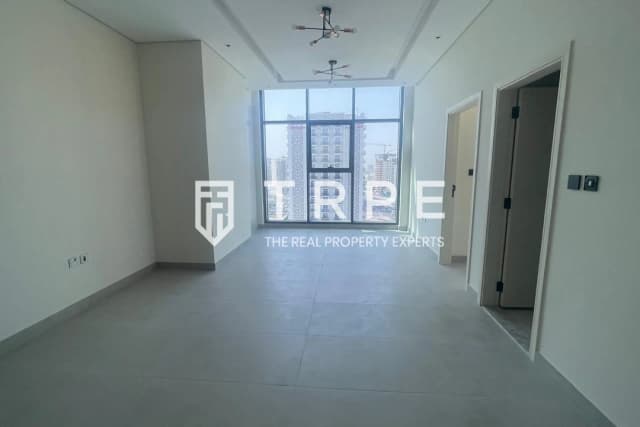
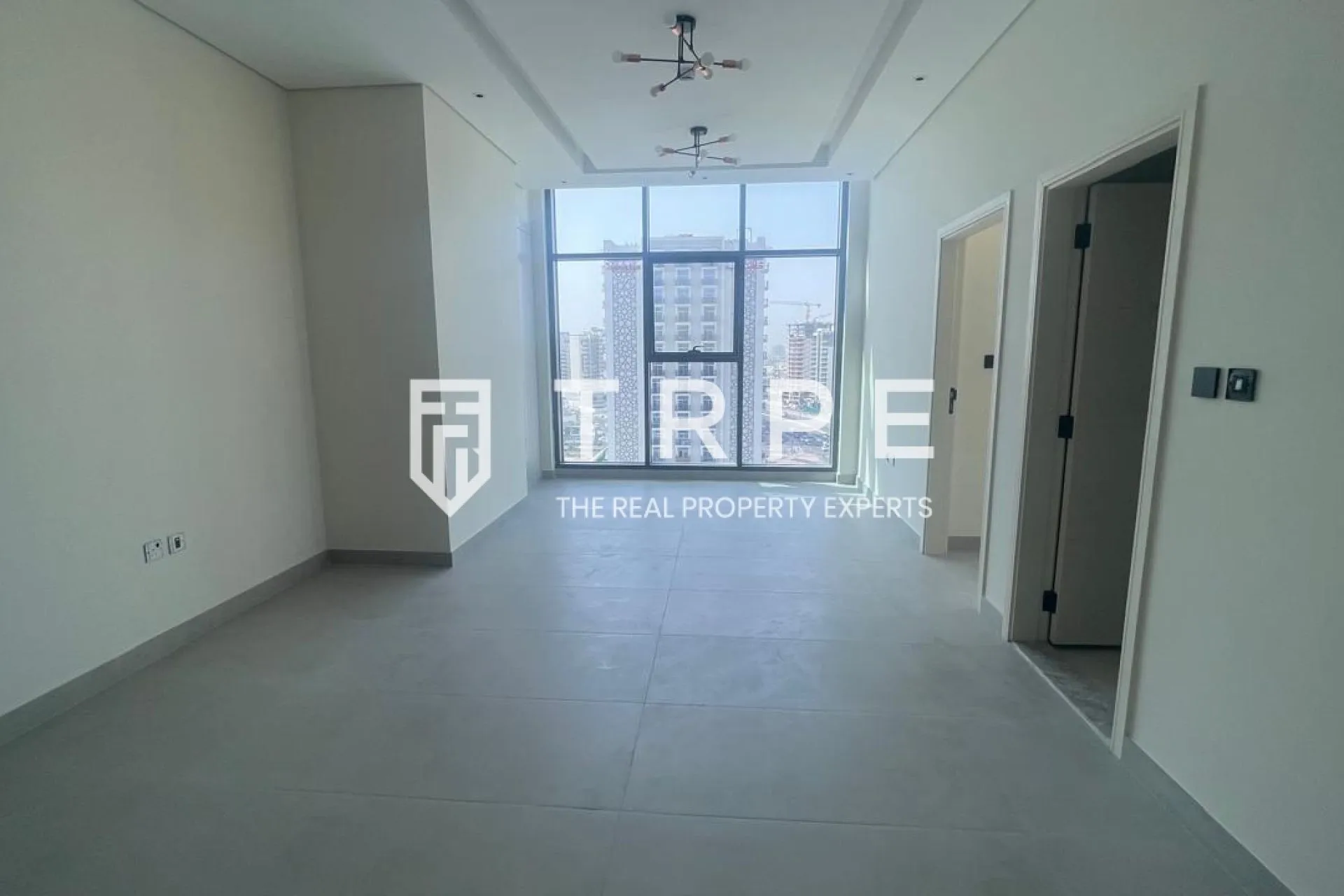
AED 110K/year
Community View | Upgraded | PG One, Al Furjan
1 bed · 830 sq.ft
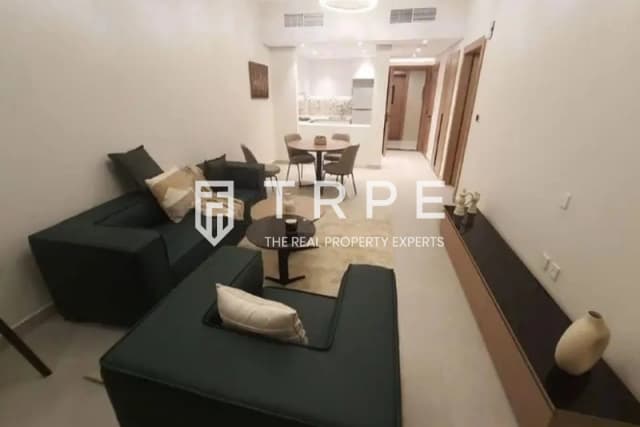
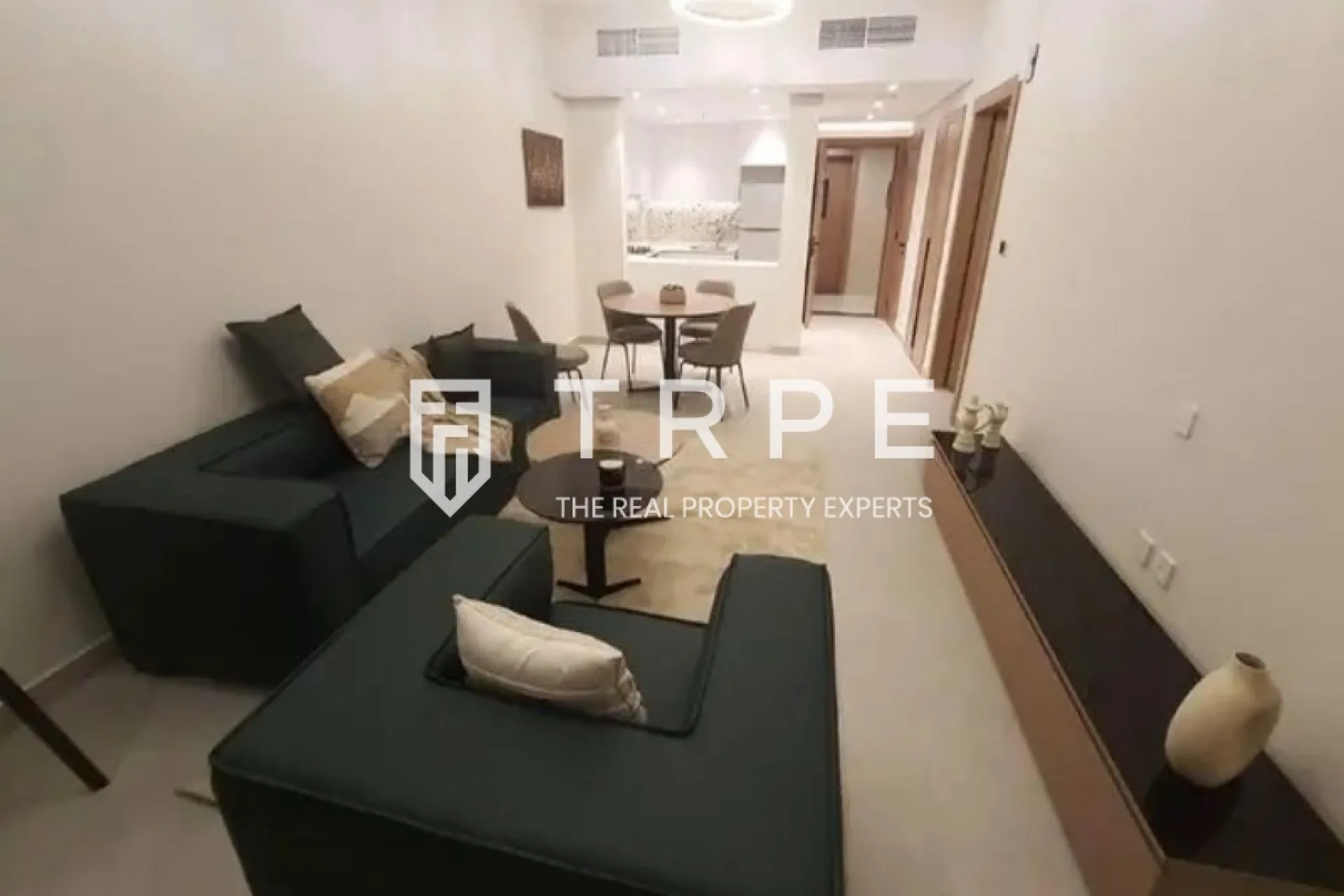
AED 75K/year
Furnished 1BR | Brand New | JVC District 16, JVC
1 bed · 862 sq.ft


Join our newsletter. No spam, unsubscribe anytime.
Contact
+971 50 523 2712info@trpe.aeQuick links to the most-searched combinations across Dubai.
TRPE Real Estate is a company registered in Dubai, United Arab Emirates. Trade License No. 999314 · RERA ORN 28357 · Office 1201, Ascott Park Place, Sheikh Zayed Road, Dubai. Regulated by the Real Estate Regulatory Agency (RERA).