In a Dubai rental the landlord pays for maintenance and for repairing any defect that affects your use of it, unless the contract says otherwise. That is Article 16 of Law No. 26 of 2007. The tenant must take ordinary care of the property and pays for damage they cause, and many contracts shift minor repairs to the tenant.
Almost every maintenance argument in Dubai comes from a contract that never defined the split. Define it before you sign and the problem disappears.
Law No. 26 of 2007, which regulates landlord and tenant relationships in Dubai, sets the default position. The contract can change it, because most of these articles begin with "unless otherwise agreed".
So when the contract is silent, the law leans towards the landlord paying, and the tenant's side is everyday care and any damage they cause. A contract clause can move routine items to the tenant, which is why the split below is common in practice.
| Item | Usually the landlord | Usually the tenant |
|---|---|---|
| Air conditioning compressor or major unit failure | Yes | |
| Air conditioning filter cleaning and servicing | Yes | |
| Water heater replacement | Yes | |
| Blocked drain caused by use | Yes | |
| Plumbing leak inside walls | Yes | |
| Light bulbs, batteries, small fittings | Yes | |
| Built in appliance failure | Yes, if provided with the property | |
| Pest control | Often landlord at handover | Often tenant thereafter |
| Structural and building envelope | Yes | |
| Damage caused by the tenant | Yes |
This reflects common contract practice rather than a fixed rule. Where your contract is silent, Article 16 puts maintenance and repairs on the landlord. Checked November 2026.
Three sentences are enough. Who arranges maintenance, who pays, and the threshold below which the tenant covers it. Without such a clause, the default under Article 16 is that the landlord pays. A common formulation makes the tenant responsible for repairs under a set amount per incident, often in the range of 500 to 1,000 dirhams, with the landlord covering anything above.
Also state who services the air conditioning and how often, because in Dubai that is the item most likely to cost real money and the one most often left undefined.
Do not simply deduct the cost from your rent. Withholding rent puts you in breach even when your complaint is fair, and it hands the landlord the stronger position: under Article 25 of the law, a landlord can seek eviction if rent is not paid within 30 days of a notice to pay. See how the Rental Disputes Centre works.
The RDC fee schedule charges 3.5 percent of the claimed amount for a money claim, with a minimum of AED 500 and a maximum of AED 15,000. For cases such as eviction, lease renewal or termination, the fee is 3.5 percent of the annual rent, between AED 500 and AED 20,000. Filing through a trustee centre adds a service fee of AED 130 plus VAT. For a small repair, the fee alone can exceed the cost of the job, which is another reason to settle the split in the contract.
Service charges are the owner's cost, not the tenant's, and they are separate from maintenance inside the unit. The DLD's frequently asked questions confirm that the landlord pays service fees, while the tenant pays the municipality housing fee of 5 percent of the annual rent, shown separately on the DEWA bill. Cooling charges are usually the tenant's where chilled water is billed by a district provider, but check whether a capacity or demand charge sits with the owner. Our guide to DEWA and chiller charges explains the difference, and service charges explained covers the owner side.
That set of documents is what protects your deposit at the end. See getting your deposit back.
Fix things quickly. A responsive landlord keeps a good tenant for years, and a good tenant is worth more than the cost of a compressor. If you do not want the calls, a management arrangement handles it for a percentage of the rent, which our guide to property management costs breaks down.
Ask us to review the maintenance clause before you sign, whichever side of it you are on.
Buying or renting in Dubai?
Ask one of our agents on WhatsApp about renting in Dubai: areas, budgets and contracts.
Ask one of our agents on WhatsApp about renting in Dubai: areas, budgets and contracts.
Under Article 16 of Law No. 26 of 2007, the landlord is responsible for maintenance and for repairing defects that affect the tenant's use of the property, unless the contract says otherwise. Many contracts make the tenant pay for minor repairs below a set amount per incident, and the tenant always pays for damage they cause.
No. Withholding rent puts you in breach even where your complaint is fair. Report the problem in writing with photographs, give a reasonable deadline, escalate to the agent or manager, and if it is still ignored take it to the Rental Disputes Centre with your registered Ejari contract.
Routine servicing and filter cleaning are usually the tenant's responsibility, while replacing a failed compressor or unit is usually the landlord's. Because this is the item most likely to cost real money, state clearly in the contract who services the system and how often.
No. Under Articles 17 and 21 of Law No. 26 of 2007, the landlord is responsible for wear and tear not caused by the tenant, and the tenant only has to return the property in the condition received, except for ordinary wear and tear.
A money claim costs 3.5 percent of the amount claimed, with a minimum of AED 500 and a maximum of AED 15,000, plus AED 130 and VAT if you file at a trustee centre. You need your Ejari lease, Emirates ID and a bank letter showing your IBAN.

Own a home in Dubai? See what it is worth.
Free, instant valuation from real DLD transactions.
Handpicked for you
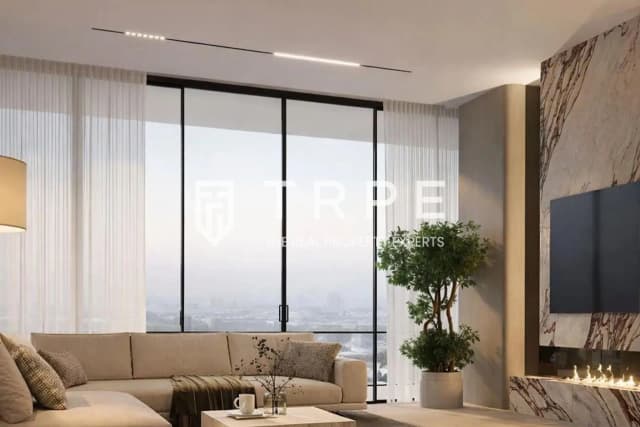
AED 1.6M
Vacant | 710 sq ft | Binghatti Avenue, Al Jaddaf
1 bed · 863 sq.ft

AED 2M
Resale at OP | Lagoons and Dubai Skyline Views | High Floor
1 bed · 788 sq.ft
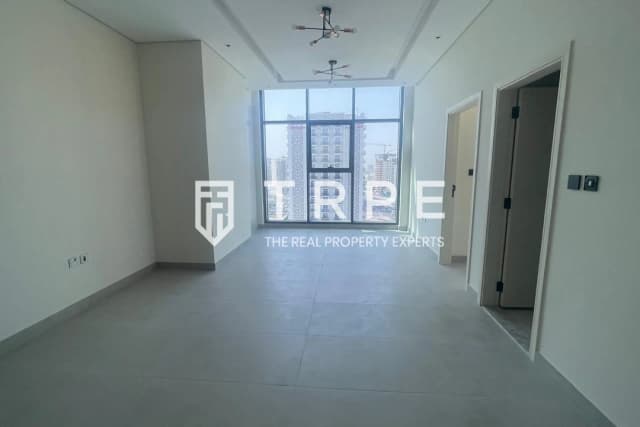
AED 110K/year
Community View | Upgraded | PG One, Al Furjan
1 bed · 830 sq.ft
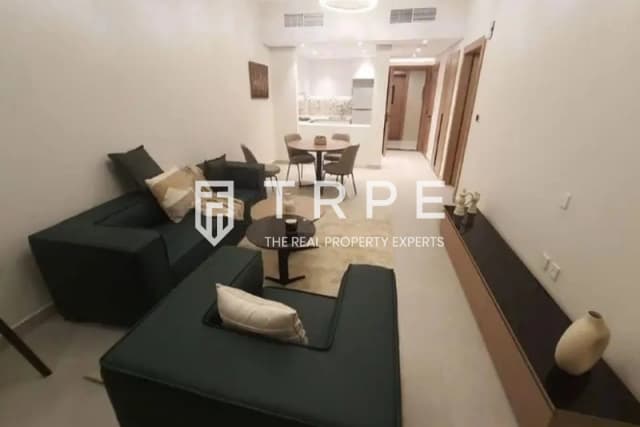
AED 75K/year
Furnished 1BR | Brand New | JVC District 16, JVC
1 bed · 862 sq.ft

Join our newsletter. No spam, unsubscribe anytime.
Contact
+971 50 523 2712info@trpe.aeQuick links to the most-searched combinations across Dubai.
TRPE Real Estate is a company registered in Dubai, United Arab Emirates. Trade License No. 999314 · RERA ORN 28357 · Office 1201, Ascott Park Place, Sheikh Zayed Road, Dubai. Regulated by the Real Estate Regulatory Agency (RERA).